Every morning, Ted, a 72-year-old grandfather, enjoys his coffee by the window. To any onlooker, he is healthy, calm, and still looking 15 years younger. But a year ago he was surprised to learn he had high blood pressure and heart disease. “I felt fine,” he said, “but my numbers told a different story.” With lifestyle changes—daily walks, less salt, and regular monitoring—Ted now keeps his pressure in check. This is why we must remember hypertension often goes unnoticed.
High blood pressure, or hypertension, is often called the silent killer. Why? Because it usually shows no warning signs, yet can slowly damage multiple organs. Many people live with it without knowing. Then one day the slowly injured kidney, heart, or brain gives out. The good news is small daily changes in habit can make a huge difference.
Understanding the Home-Heart-Hypertension Connection
Your heart’s main purpose is to pump blood through arteries. The force with which it does this is called blood pressure. When this pressure stays too high for too long, it puts extra strain on organs and vessels. If left unchecked, this will lead to irreparable damage. Things like stress, salty foods, lack of sleep, and even loneliness can raise blood pressure. That’s why keeping the home calm, active, and heart-friendly is vital.
Our surroundings affect how our hearts work. A noisy, stressful home can make pressure rise, while a peaceful one helps it drop. Keeping the living area clutter-free, using soft lighting, and playing calming sounds can all reduce stress. Exercise is another great way to stay healthy. Even a few minutes of light activities can help your heart and mind relax. Little adjustments in temperature and daily rhythm can create a heart-safe home without any special equipment.
Managing high blood pressure is a team effort. Families should work together, cooking low-salt meals, reminding one another of medications, and measuring pressure regularly. Spending time together lowers stress and gives emotional support, helping control hypertension. It is not only seniors and patients but also caregivers this affects. Long hours and the burden of caring for a loved one can raise their blood pressure as well. A healthy caregiver means better care for all.
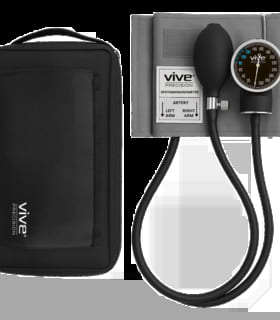
One of the most effective ways to prevent problems before they start is regular monitoring. A reliable home blood pressure monitor makes tracking quite simple. To record an accurate reading, follow these tips.
- Avoid drinking any stimulants at least an hour to 30 minutes prior.
- Sit quietly in a chair without crossing legs for 5-10 minutes.
- Keep arm supported at the heart’s level.
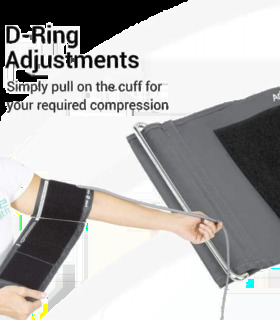
Use an appropriate-size cuff to measure blood pressure.
Healthy Habits for High blood pressure
Simple everyday routines can make a real difference. Do you start your day with coffee? Drink water first. Choose whole grains, fruits, and vegetables, cutting back on processed and salty foods. Stay active throughout your day with light walks, and then get enough rest each night. Don’t forget, even 10 minutes of gentle movement can help keep a steady blood pressure. It has to be said: do avoid heavy drinking and smoking.
High blood pressure is serious but manageable. Consistent lifestyle modifications and medications, when necessary, go a long way. Seek medical attention if readings remain high or you feel chest pain. Persistent headaches, dizziness, or swelling should prompt a visit as well. Early attention prevents long-term damage!
Remember Ted? Don't let the lack of overt symptoms keep you from checking your blood pressure regularly. If you are diagnosed, don't panic, stay active, and make your home a heart-safe zone. You don’t need big changes—just steady care, teamwork, and awareness.
You can check out monitoring options on our website, Sky Medical Supplies LLC.