How to Properly Use Braces, Sleeves, and Splints to Reduce Pain and Slow Joint Function Decline
Osteoarthritis (OA) causes inflammation in the joints. Over time, this inflammation can limit movement and make everyday activities painful. The knee is the most commonly affected joint, but OA can also impact the ankle, neck, shoulder, wrist, and back.
One common way to manage arthritis-related pain and instability is by using braces, sleeves, or splints. When used correctly, these supports can improve comfort, increase confidence, and help protect weakened joints.
Why Braces Are Often Recommended for Osteoarthritis
When you’re first diagnosed with osteoarthritis, doctors usually recommend nonsurgical treatments. These focus on reducing pain and improving mobility. Braces are often part of that plan.
A brace can help in several ways: 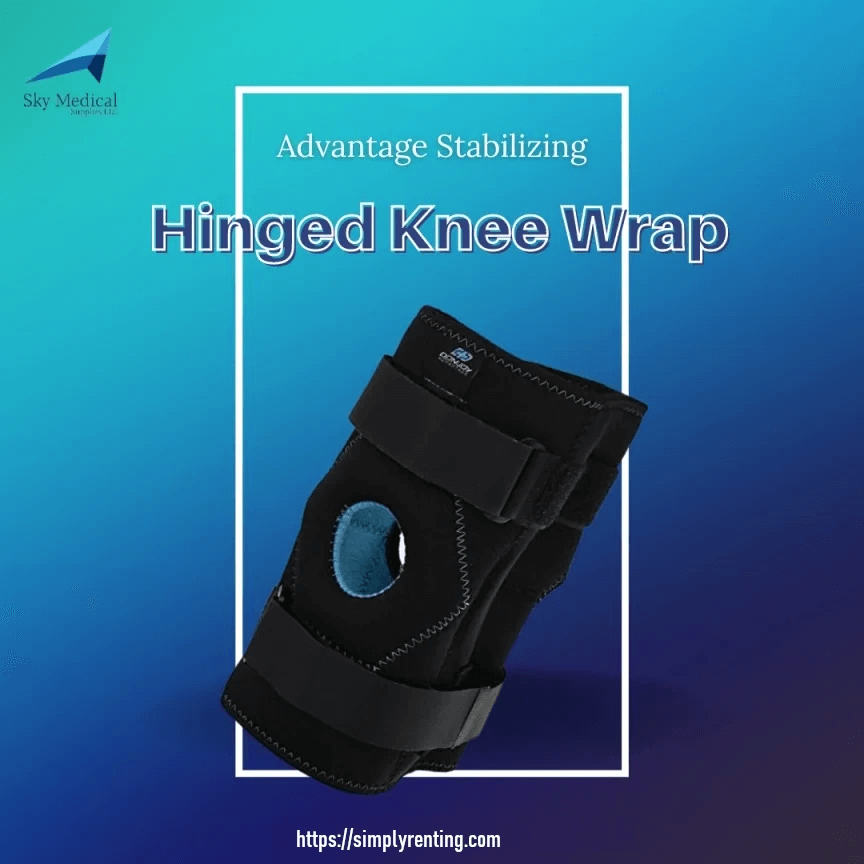
Improved stability
Braces help redirect body weight away from damaged areas of the joint. This reduces stress and discomfort, especially during movement.
Reduced swelling
Many braces and sleeves provide compression. This can help control swelling after physical activity.
Pressure relief
Some braces have cut-out or offloading designs. These reduce pressure on sensitive areas like the kneecap or ankle bone.
Increased confidence
Extra support makes daily activities feel safer. Many people move more comfortably when they know their joint is protected.
What Types of Braces Help Prevent Pain?
Braces for osteoarthritis are usually made from plastic, metal, or flexible fabric. Most are padded with foam or synthetic rubber to improve comfort.
You can find arthritis braces at pharmacies, medical supply stores, and online retailers.
There are four main categories of braces:
- Prophylactic braces – Used to prevent injuries, often during sports
- Functional or supportive braces – Used after a joint injury
- Rehabilitative braces – Limit movement to allow healing after surgery or injury
- Unloader (offloader) braces – Reduce pressure on specific areas of the joint
For osteoarthritis, functional braces and unloader braces are the most commonly used.
Braces by Body Area
Ankles
If you have mild to moderate ankle pain, a lace-up ankle brace may provide enough support. According to the American Academy of Orthopaedic Surgeons, people with more severe ankle pain may benefit from a custom-made brace, usually made from plastic or leather.
Back
Back braces or corsets can help reduce pain caused by arthritis in the spine or discs. Corsets are typically made from stretchy, adjustable fabric and may include molded metal supports.
In cases where OA leads to vertebral fractures, a more rigid brace may be more helpful than a soft corset.
Knees
Knee osteoarthritis is one of the most common forms of arthritis. Several brace options are available, including over-the-counter and custom-made designs.
Unloader Brace
Unloader braces are designed to reduce pressure on the most damaged part of the knee. They are usually made from molded plastic with foam padding and reinforced with metal struts. These braces are effective but can feel bulky.
Hinged Knee Brace
Hinged braces provide stability using straps above and below the kneecap. Hinges on each side allow controlled movement while walking. These are often used for knee instability and are widely available without a prescription.
Drop-Lock Hinged Brace
This type of brace is commonly used after surgery or injury. The hinges can be locked to prevent excessive bending or straightening during recovery.
Neoprene Sleeve
Neoprene sleeves are lightweight and low-profile. Some include a cut-out for the kneecap. They are easy to wear under clothing and provide mild support and compression, though they are not as supportive as rigid braces.
Shoulders
Shoulder braces for osteoarthritis are lightweight and designed to limit painful movements. They usually compress the upper arm and shoulder while providing additional support across the upper back.
Wrists and Elbows
For wrist arthritis, splints, braces, and compression gloves are common options. Wrist splints help immobilize the joint, reducing pain during rest and activity.
Some wrist braces leave the thumb free, while others include metal supports for added stability. Elbow supports can also help people who type frequently, garden, or play sports like tennis.
Compression gloves create warmth and gentle pressure, which may help reduce stiffness and inflammation.
Custom-Fit Braces: Benefits and Drawbacks
If you need to wear a brace long-term, especially for osteoarthritis, a custom-fitted brace may be worth considering. These are prescribed by a physician and fitted by an orthotist.
Benefits
- Designed specifically for your body
- Better comfort and effectiveness
- Improved joint alignment and support
Drawbacks
- Can cost up to $1,500
- Insurance coverage varies
- Production can take several weeks
While waiting, many people use a temporary brace.
Limitations of Using a Brace for Treatment
Not everyone with osteoarthritis needs a brace. Effectiveness depends on how much joint damage and instability is present.
For example, a brace can help if OA affects the inner part of the knee by shifting support to the outer side. However, severe ligament damage may require surgery instead.
Some people stop wearing braces due to:
- Discomfort or bulkiness
- Skin irritation or chafing
- Improper fit causing swelling
Braces also work best when combined with other strategies, such as weight management, physical therapy, and regular low-impact exercise.
What to Expect When Wearing a Brace or Splint
Before prescribing a brace or splint, your doctor may order imaging tests to identify the source of your pain.
Most braces come in adjustable sizes and can be loosened as swelling decreases. Some are worn only during activities, while others are part of a longer-term treatment plan.
If you’re prescribed a splint, your movement may be more limited. Keep it dry and follow your doctor’s instructions carefully. Braces and splints are often used alongside anti-inflammatory medications, rest, and physical therapy.
If you’re looking for quality braces, sleeves, or splints, Sky Medical Supplies offers a wide selection online and at their local Denver-area store.