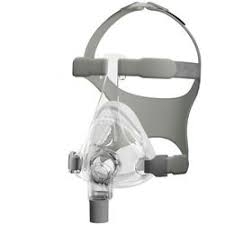
Sleep apnea and nighttime breathing problems affect many people. When breathing stops repeatedly during sleep, the body struggles to get enough oxygen. Over time, this can lead to poor sleep, daytime fatigue, and serious health issues.
Continuous Positive Airway Pressure (CPAP) therapy is one of the most common treatments for sleep apnea. It works by delivering a steady flow of air that keeps the airway open while you sleep. To receive this airflow, patients use a CPAP mask.
Among the different mask types available today, nasal pillow CPAP masks have become a popular option. They are lightweight, simple to use, and often more comfortable than traditional masks. Understanding when to use a nasal pillow CPAP mask at home can help you choose the right solution for better sleep.
What Is a Nasal Pillow CPAP Mask?
A nasal pillow CPAP mask is a small CPAP mask that sits at the entrance of the nostrils. Instead of covering the entire nose or face, it uses two soft cushions that seal gently around the nostrils and deliver air directly into the nasal passages.
The mask connects to a CPAP or BiPAP machine through a small tube. The machine sends pressurized air through the tube to keep the airway open during sleep.
Because the mask only touches the nose, it is much smaller and lighter than traditional CPAP masks. Many users find it less restrictive and easier to adjust to, especially if they feel uncomfortable wearing larger masks.
When Should You Use a Nasal Pillow CPAP Mask?
A nasal pillow CPAP mask can be a good option in several situations. Many patients choose it because it offers comfort while still providing effective CPAP therapy.
When you have mild to moderate sleep apnea
Nasal pillow masks work well for many people with mild or moderate obstructive sleep apnea. The direct airflow into the nostrils helps keep the airway open throughout the night.
However, people who require very high CPAP pressure levels may find other mask types more comfortable.
When you feel uncomfortable with larger CPAP masks
Traditional full-face masks can feel bulky. They cover the nose and mouth and may create pressure on the face.
A nasal pillow mask is much smaller. It leaves most of the face uncovered, which many people find more comfortable.
When you move frequently during sleep
Some people change positions many times during the night. Larger masks may shift or leak air when this happens.
Nasal pillow masks are lightweight and stay in place more easily. This makes them a good choice for side sleepers and active sleepers.
When you feel claustrophobic with full-face masks
Some CPAP users feel anxious when wearing masks that cover a large portion of the face.
Because nasal pillow masks are minimal and open, they can help reduce that feeling and make CPAP therapy easier to tolerate.
Who Should Avoid Nasal Pillow CPAP Masks?
Although nasal pillow masks work well for many people, they are not the best choice for everyone.
People who frequently breathe through their mouth during sleep may struggle with this mask type. Since the airflow enters through the nose, mouth breathing can cause air leaks and reduce the effectiveness of the therapy. In some cases, a chin strap may help keep the mouth closed.
People with severe nasal congestion, chronic sinus issues, or certain nasal conditions may also find nasal pillow masks uncomfortable.
If you recently had nasal surgery or experienced nasal trauma, it is best to speak with your doctor before using this type of mask.
A healthcare professional or sleep specialist can help determine which CPAP mask is most suitable for your condition.
Benefits Compared to Other CPAP Masks
Many patients prefer nasal pillow masks because of their comfort and simplicity. Compared to traditional masks, they offer several advantages.
First, they are lightweight and compact. The smaller design places less pressure on the face and nose.
Second, they provide a clear field of vision. Since the mask does not cover the eyes or forehead, users can read, watch television, or wear glasses before going to sleep.
Another advantage is reduced skin irritation. Larger masks sometimes leave marks on the face or cause pressure sores. Nasal pillow masks usually create fewer contact points on the skin.
Finally, many users report better comfort when sleeping on their side. The smaller size makes it easier to maintain a natural sleeping position.
Possible Side Effects
Like any CPAP mask, nasal pillow masks can cause minor side effects if they are not fitted properly.
Some users experience nasal dryness or irritation. The airflow can dry out the nasal passages, especially in dry environments. Using a CPAP humidifier often helps solve this issue.
Occasionally, users may notice slight discomfort around the nostrils. Adjusting the cushion size or mask fit usually resolves the problem.
In rare cases, people may develop nosebleeds or sinus irritation. If symptoms continue, it is important to speak with a healthcare provider.
Proper fitting and regular cleaning of the mask can prevent many of these problems.
Tips for Using a Nasal Pillow CPAP Mask at Home
Using your CPAP mask correctly can improve comfort and treatment effectiveness.
Start by choosing the right cushion size. A proper fit ensures a good seal without excessive pressure on the nostrils.
It is also important to clean the mask regularly. Washing the nasal cushions with mild soap and water helps remove oils and bacteria that may affect the seal.
Using a CPAP humidifier can also improve comfort by preventing dryness in the nose and throat.
Finally, follow the instructions provided by your healthcare provider or CPAP supplier. Proper setup and adjustment can make a significant difference in how well the therapy works.
Conclusion
Nasal pillow CPAP masks are a comfortable and effective option for many people using CPAP therapy at home. Their lightweight design, minimal facial contact, and ease of use make them especially appealing for users who struggle with traditional masks.
They are often a good choice for people with mild to moderate sleep apnea, side sleepers, and those who feel uncomfortable wearing larger CPAP masks.
However, the best CPAP mask varies from person to person. Factors such as breathing habits, pressure settings, and nasal health all play a role.
If you are considering a nasal pillow CPAP mask, speaking with a healthcare professional can help ensure the right fit and the most effective treatment for your sleep needs.
Sky Medical Supplies offers a wide range of CPAP masks and medical equipment for patients across Denver and surrounding communities, helping individuals find comfortable solutions for better sleep and improved health.