An ostomy is a life-changing surgery. It creates an opening in the abdomen so waste can leave the body safely when part of the digestive or urinary system is damaged.
Many people need an ostomy because of colon cancer, bladder cancer, inflammatory bowel disease, bowel obstruction, or severe injury. While the idea may feel overwhelming at first, thousands of people live full and active lives with an ostomy.
Understanding the three types of ostomies—and how to care for them—makes the transition easier.
What Is an Ostomy?
An ostomy is a surgical procedure that creates an artificial opening in the abdomen. This opening allows stool or urine to exit the body when the normal pathway through the rectum or bladder no longer works.
Some ostomies are temporary. Others are permanent. The type depends on the medical condition and how much healing is required.
According to the United Ostomy Associations of America, proper education and early care training greatly improve long-term outcomes and quality of life after surgery.
What Is a Stoma?
A stoma is the visible part of the ostomy. It is a small, round opening on the abdomen created from a portion of the intestine or urinary tract.
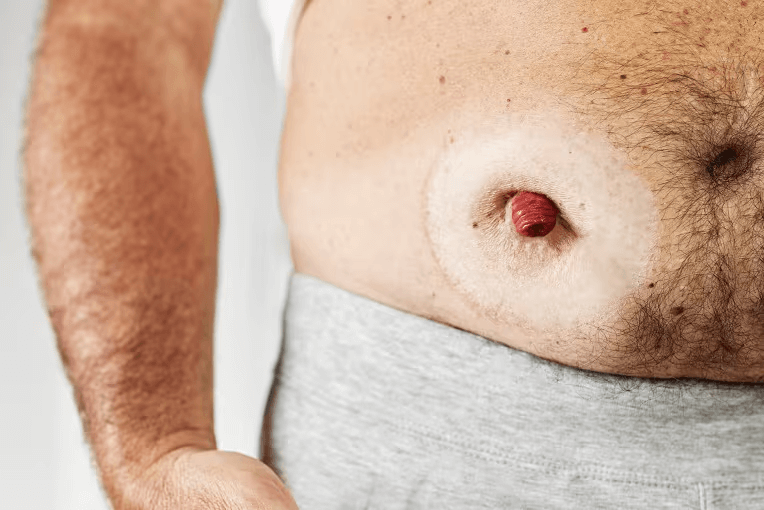
A healthy stoma:
- Is pink or red in color
- Looks moist and slightly shiny
- Measures about 1–2 inches in diameter
Because it contains many tiny blood vessels, mild bleeding during cleaning can be normal. However, heavy bleeding, dark discoloration, or severe pain should be reported to a healthcare provider immediately.
The Three Types of Ostomies
The type of ostomy depends on which organ needs to heal or be bypassed.
1. Colostomy
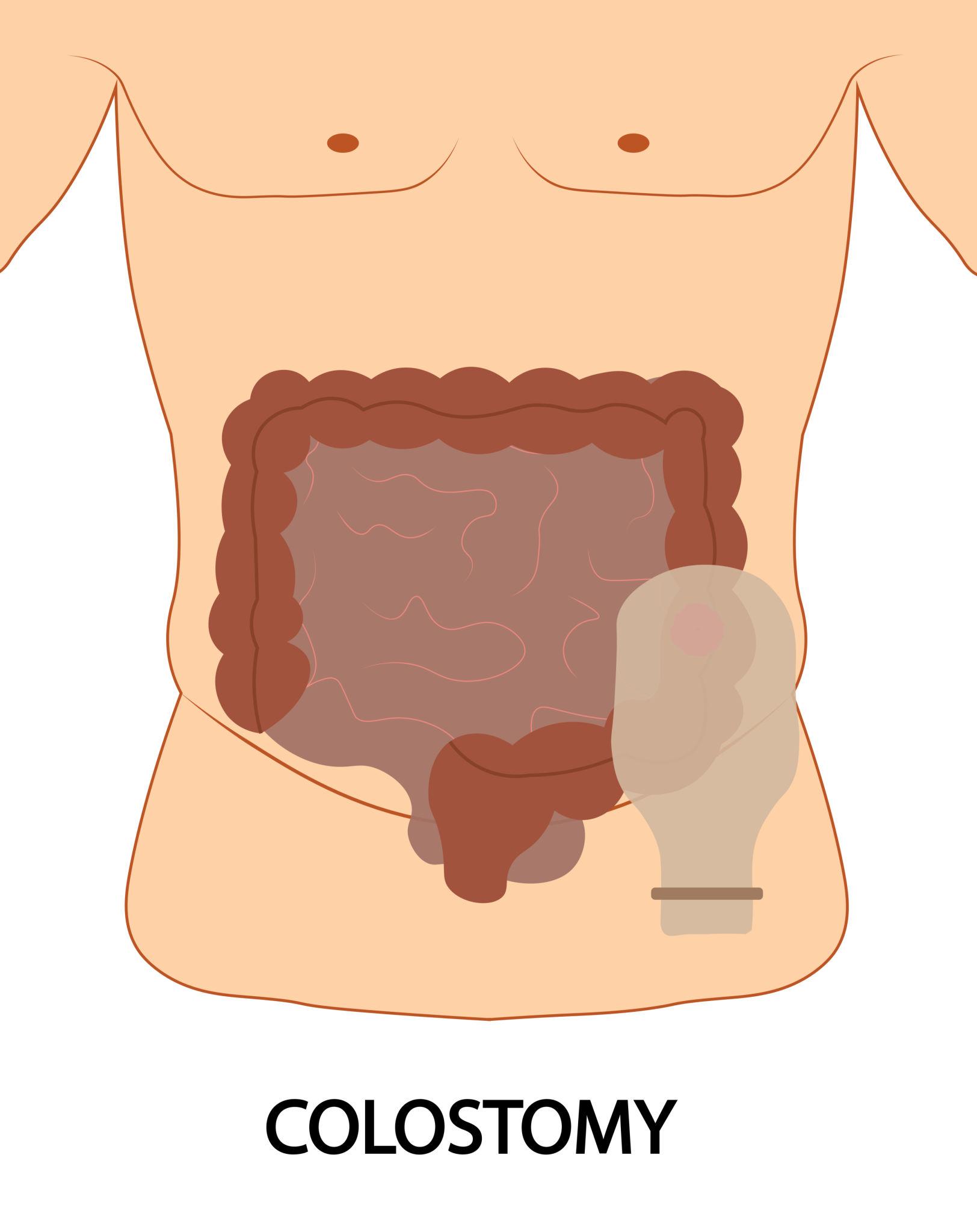
A colostomy is created from the colon, which is part of the large intestine. It allows stool to exit the body before reaching the rectum.
Doctors may recommend a colostomy for:
- Colon or rectal cancer
- Bowel obstruction
- Diverticulitis
- Traumatic injury
Depending on the location, stool consistency may range from formed to semi-formed. Some colostomies are temporary while the bowel heals. Others are permanent.
2. Ileostomy
An ileostomy is created from the ileum, the last part of the small intestine. Waste bypasses the colon entirely.
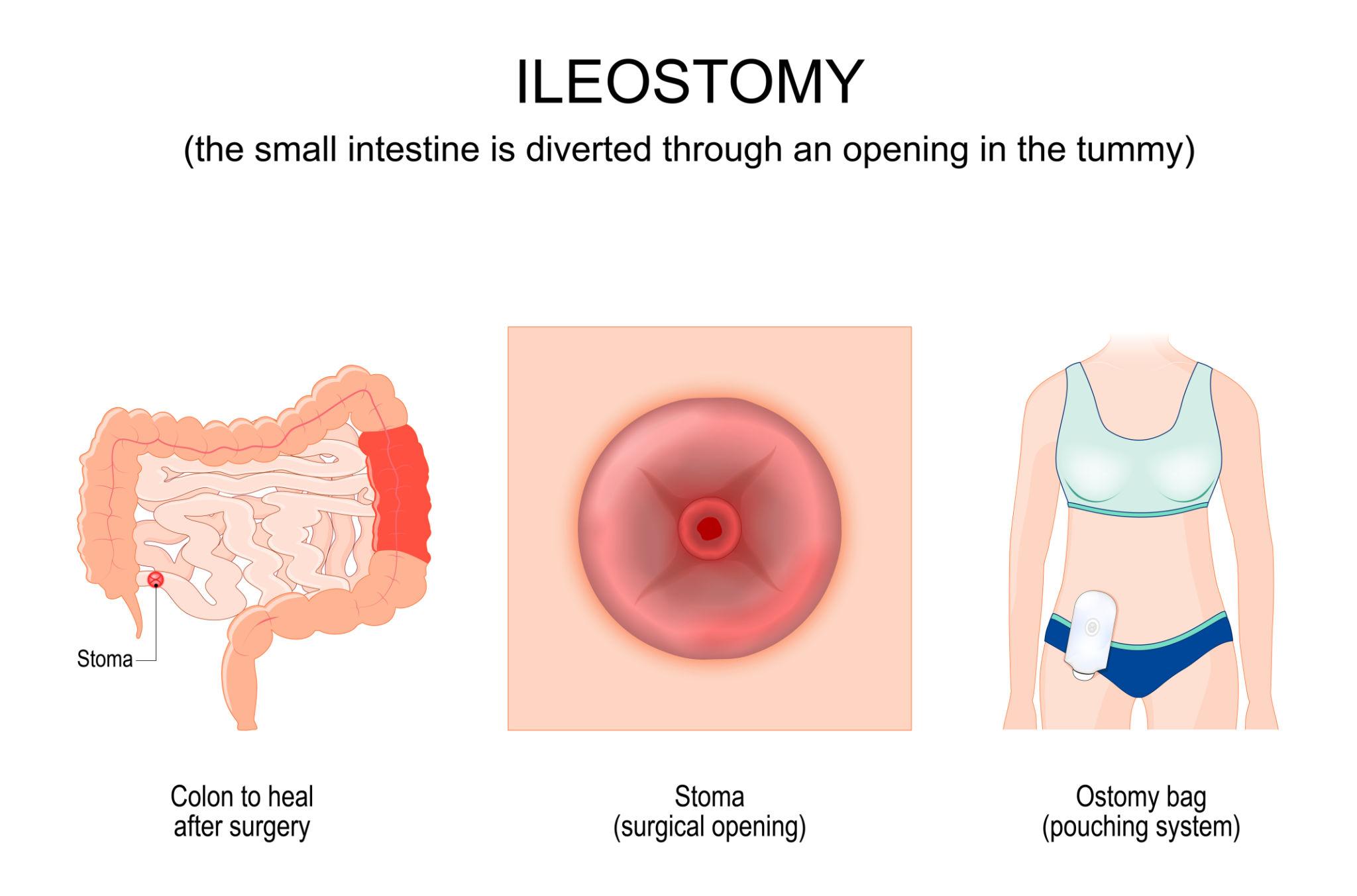
This type is often performed for:
- Crohn’s disease
- Ulcerative colitis
- Bowel cancer
- Severe infection or inflammation
Because the colon is bypassed, stool is usually more liquid. Ileostomy patients must pay close attention to hydration and electrolyte balance.
Healthcare providers often advise avoiding extended-release or enteric-coated medications since they may not fully absorb.
3. Urostomy
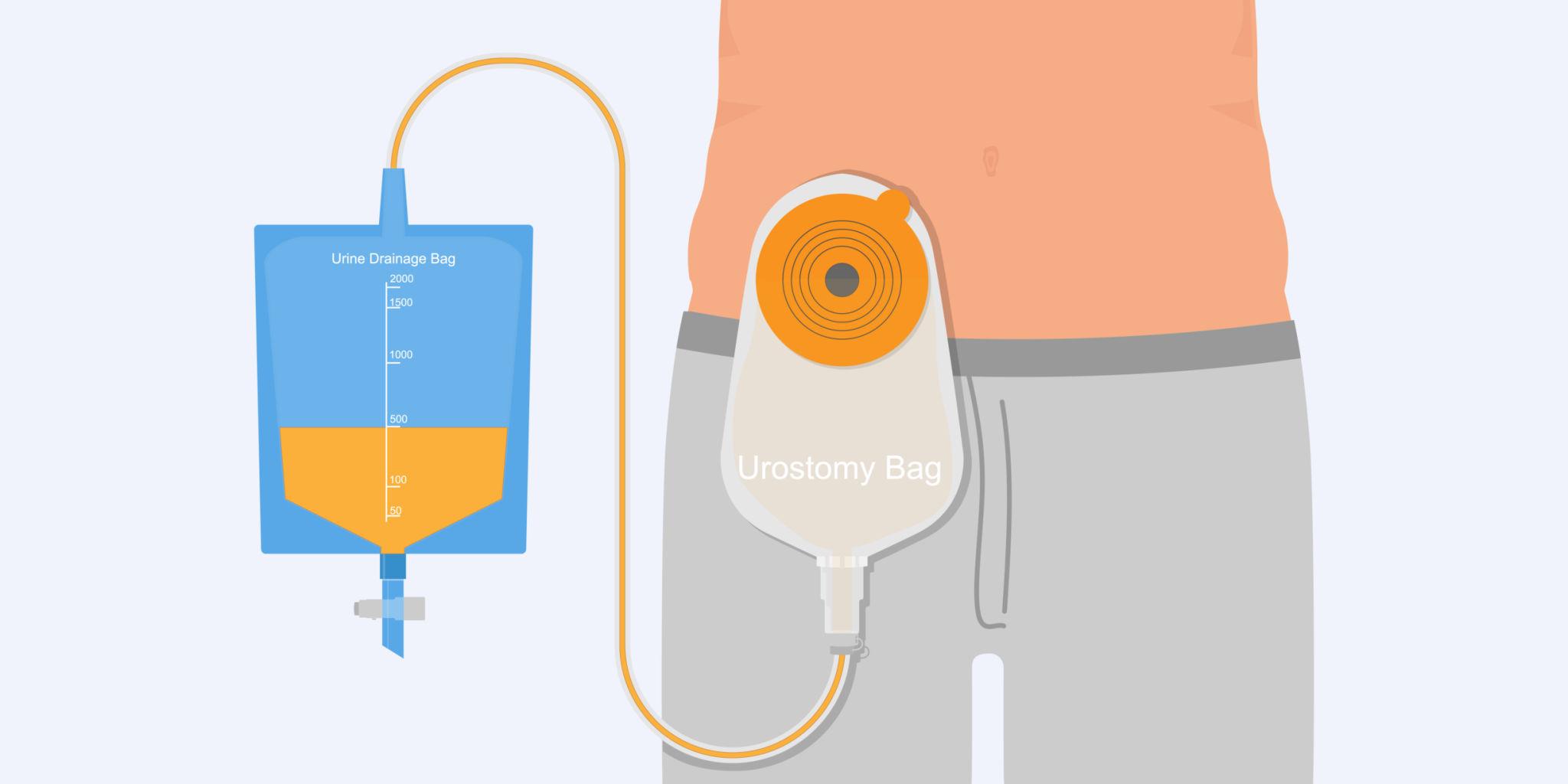
A urostomy diverts urine away from a damaged or removed bladder. Surgeons create a new pathway using a small piece of intestine connected to the ureters.
A urostomy may be necessary due to:
- Bladder cancer
- Birth defects
- Severe bladder damage
Urine drains continuously into a pouch system attached to the skin.
Understanding Ostomy Supplies
Proper supplies are essential for comfort and skin protection.
There are two main pouching systems:
One-piece system: The skin barrier and pouch are attached together. It is simple and flexible.
Two-piece system: The pouch detaches from the skin barrier (also called a flange). This allows you to change the bag without removing the adhesive barrier each time.
Your doctor or wound care nurse will recommend a system based on:
- Skin sensitivity
- Activity level
- Type of ostomy
- Output consistency
If you notice redness, burning, leaking, or itching around the stoma, consult a healthcare professional. Skin complications are common but manageable when treated early.
Daily Ostomy Care: What You Need to Know
Caring for your ostomy becomes routine with practice. The first few weeks require patience, but confidence builds quickly.
Cleaning the Stoma
Each time you change your pouch:
- Gently remove the old barrier using warm water.
- Clean the skin with a soft cloth or stoma wipes.
- Avoid soaps with oils or perfumes.
- Pat the area completely dry before applying a new barrier.
Moisturizers and oily products can prevent the barrier from sticking properly.
Protecting the Skin Around the Stoma
Skin irritation can happen for several reasons:
- Frequent barrier removal
- Leakage of stool or urine
- Adhesive sensitivity
- Fungal infection
If irritation appears, apply a stoma powder or skin protectant after cleaning. Remove excess powder before placing the new barrier.
Persistent irritation should be evaluated by a healthcare provider.
Diet After Ostomy Surgery
Your digestive system works differently after surgery.
During early recovery, start with small, simple meals. Eat slowly and chew thoroughly.
Some patients—especially those with an ileostomy—may need to limit:
- Nuts
- Seeds
- Popcorn
- Raw vegetables
- High-fiber foods
Hydration is critical, particularly for ileostomy patients. Always follow the dietary guidance provided by your surgeon or dietitian.
Medications and Absorption
After an ostomy, the body may absorb medications differently.
Liquid medications often work better for some colostomy patients. Extended-release and enteric-coated tablets may not fully dissolve in ileostomy patients.
Always inform pharmacists and healthcare providers about your ostomy before purchasing prescription or over-the-counter medications.
Living an Active Life With an Ostomy
An ostomy does not prevent you from living fully.
Most people return to:
- Work
- Travel
- Swimming
- Exercise
If you sweat heavily during physical activity, you may need extra adhesive support to secure the pouch system.
With proper care and education, daily life becomes normal again.
When to Contact a Doctor
Seek medical advice if you experience:
- Severe skin breakdown
- Dark or black stoma color
- Persistent bleeding
- High fever
- Sudden changes in output
Early intervention prevents complications.
Final Thoughts
Understanding the three types of ostomies—colostomy, ileostomy, and urostomy—helps patients and caregivers feel more prepared. While the adjustment period can feel challenging, proper education, good hygiene, and the right ostomy supplies make a significant difference.
If you are in Colorado and need reliable ostomy supplies, Sky Medical Supplies provides colostomy bags, urostomy bags, abdominal supports, and protective skin products. We proudly serve Denver and surrounding areas, including Parker, Littleton, Centennial, Englewood, Greenwood Village, Boulder, Aurora, Castle Rock, Highlands Ranch, Lakewood, and nearby communities.
Having the right support system—and the right supplies—can make living with an ostomy far more comfortable and manageable.