When someone spends long periods in bed, the body stays in the same position for too long. This constant pressure can reduce blood flow to certain areas of the skin. Over time, this may lead to pressure sores, also called bedsores.
Specialty mattresses and support surfaces are designed to solve this problem. They help distribute body weight evenly and reduce pressure on sensitive areas.
For patients recovering at home, these mattresses can make a big difference in comfort, safety, and healing.
What Are Specialty Mattresses and Support Surfaces?
Specialty mattresses and support surfaces are medical mattresses designed to prevent and manage pressure injuries. Unlike standard mattresses, they are built to support the body in a way that reduces pressure on the skin and tissues.
These mattresses are commonly used with hospital beds in home care settings, rehabilitation centers, and hospitals.
They help by:
- Redistributing body weight
- Reducing friction and skin pressure
- Supporting proper body alignment
This helps protect areas that are most vulnerable to pressure ulcers, such as the hips, heels, shoulders, and back.
Why Pressure Relief Matters
When someone cannot move easily in bed, pressure builds up on certain parts of the body. This pressure limits blood circulation. Without proper blood flow, the skin and tissues begin to break down.
Specialty mattresses help prevent this by spreading the body's weight across a larger surface area.
Instead of one point carrying too much pressure, the mattress supports the entire body more evenly. This reduces the risk of pressure ulcers and improves overall comfort.
For caregivers, this also means less strain and easier patient care.
Types of Specialty Support Surfaces
There are several types of specialty mattresses used in medical care.
Foam mattresses are one of the most common options. High-density medical foam molds to the body and reduces pressure points. These mattresses are simple, effective, and comfortable for long-term use.
Alternating pressure mattresses use air chambers that inflate and deflate in cycles. This constantly shifts pressure from one part of the body to another. It is especially helpful for patients who cannot reposition themselves.
Low-air-loss mattresses circulate air through small holes in the mattress surface. This keeps the skin cool and dry while also relieving pressure.
Each type serves a different level of medical need. A healthcare provider or medical equipment specialist can help determine the best option.
Who Can Benefit from Specialty Mattresses?
Specialty mattresses are helpful for many different patients. They are especially useful for people who spend most of their time in bed.
Common situations include:
- Patients recovering from surgery
- Seniors with limited mobility
- Individuals with spinal injuries
- People managing chronic conditions
- Patients with existing pressure ulcers
Caregivers also benefit. When the mattress supports proper positioning, it becomes easier to assist the patient with daily activities like eating, resting, or adjusting posture.
The Role of Hospital Beds
Specialty mattresses work best when paired with an adjustable hospital bed.
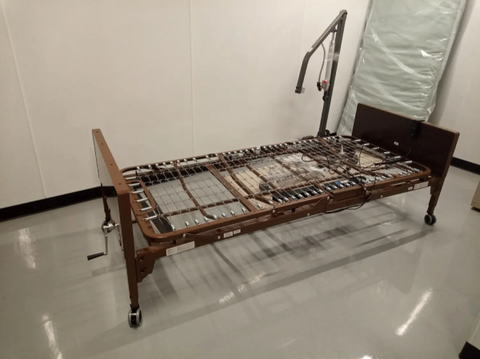
A semi-electric hospital bed allows patients to raise their head, legs, or overall bed height. This makes it easier to sit up, change positions, or get in and out of bed.
For caregivers, adjustable beds reduce the physical strain of helping patients move.
Many people recovering at home choose hospital bed rental instead of purchasing a bed outright. This option is especially helpful when the need is temporary, such as after surgery or during rehabilitation.
Additional Benefits of Specialty Mattresses
One of the biggest advantages of these mattresses is improved posture. When the body is supported correctly, the spine stays aligned. This reduces stress on muscles and joints.
They also improve circulation. Better blood flow helps the body heal faster and reduces swelling in sensitive areas.
Comfort is another major benefit. Many patients find it easier to rest and sleep when pressure points are reduced.
Modern specialty mattresses are also built to last. High-resilience foam and advanced materials maintain their shape over time, providing reliable support.
Are There Any Drawbacks?
Some people hesitate to use medical mattresses because they associate them with a hospital environment.
However, modern support surfaces are designed with comfort and appearance in mind. Many models look similar to regular mattresses and fit well in home bedrooms.
Another consideration is space. Adjustable hospital beds may require slightly more room to allow caregivers to move around safely.
Despite these small considerations, the benefits usually outweigh the drawbacks for patients who need extended bed rest.
Affordable Options for Home Care
Many families worry about the cost of medical equipment. The good news is that specialty mattresses and hospital beds are often available for rent.
Rental options make it easier to get high-quality medical equipment without a large upfront investment.
Some insurance plans may also help cover the cost when equipment is medically necessary.
For residents in the Denver area, Sky Medical Supplies offers hospital bed rentals and specialty support surfaces designed for home recovery. Their team can help patients and caregivers choose the right equipment for their needs.
Supporting Comfort and Recovery at Home
Recovering at home should be safe and comfortable. Specialty mattresses and support surfaces play a key role in protecting the skin, improving circulation, and reducing pain.
They help prevent pressure sores and make long periods in bed easier to manage.
Whether someone is recovering from surgery, living with limited mobility, or providing care for a loved one, the right mattress can make daily life much easier.
If you are looking for hospital bed rentals or specialty mattresses near Denver or Aurora, Sky Medical Supplies provides reliable medical equipment along with delivery, setup, and support.