Oxygen is essential for life and is normally obtained through the air we breathe. However, in certain medical conditions, the body cannot receive enough oxygen on its own. In such cases, supplemental oxygen therapy is required.
Several oxygen delivery systems are available, including compressed oxygen cylinders, liquid oxygen systems, and portable oxygen concentrators (POCs). These systems are often used along with accessories such as nasal cannulas, face masks, humidifiers, and tubing to ensure a consistent and safe supply of oxygen for individuals with low blood oxygen levels.
Medical oxygen therapy is not a one-size-fits-all solution. Each patient requires a specific oxygen flow rate based on their medical condition and oxygen saturation levels. For this reason, oxygen therapy must be prescribed by a licensed healthcare professional, as required by the FDA, to ensure safe and effective treatment.
Who Needs a Portable Oxygen Concentrator?
Portable oxygen concentrators deliver medical-grade supplemental oxygen to individuals who require oxygen therapy due to various medical conditions, including:
- Chronic Obstructive Pulmonary Disease (COPD)
- Chronic bronchitis
- Asthma (in severe cases)
- Pulmonary fibrosis
- Lung cancer
- Carbon monoxide poisoning
- Severe trauma or shock
- Cardiac or pulmonary arrest (under medical supervision)
- Post-surgical respiratory complications
- Patients requiring long-term oxygen therapy
Advancements in oxygen therapy have made it possible for many patients—especially those with COPD—to receive oxygen treatment outside the hospital. Portable oxygen concentrators allow greater mobility and independence, enabling patients to maintain a more active lifestyle.
How Does a Portable Oxygen Concentrator Work?
Ambient air consists of approximately 78% nitrogen, 21% oxygen, and small amounts of other gases. A portable oxygen concentrator draws in surrounding air, passes it through a filtration and sieve system, and removes nitrogen, delivering oxygen at a concentration typically ranging from 90% to 95% purity.
The device also filters out dust, bacteria, and airborne particles, ensuring the oxygen delivered is clean and safe for inhalation. The concentrated oxygen is then delivered to the patient through a nasal cannula or oxygen mask.
Most portable oxygen concentrators feature a control panel that includes:
- A power button to turn the device on and off
- Controls to adjust the prescribed oxygen setting
- Audible and visual alarms to indicate issues such as low battery, system malfunction, or lack of breath detection
It is important to respond promptly to any alarms to ensure continuous and safe oxygen delivery.
What Are Pulse Dose and Continuous Flow?
Portable oxygen concentrators generally operate using one of two delivery methods:
Pulse Dose (Demand Flow):
Oxygen is delivered in small bursts during inhalation, synchronized with the patient’s breathing. This method conserves oxygen and battery life and is commonly used in portable models.
Continuous Flow:
Oxygen is delivered at a constant rate (measured in liters per minute), regardless of the patient’s breathing pattern. This option is typically required for patients who need oxygen while sleeping or who cannot trigger pulse-dose delivery.
The choice between pulse dose and continuous flow should always be made in consultation with a healthcare provider, based on the patient’s medical needs and oxygen prescription.
How to Use a Portable Oxygen Concentrator
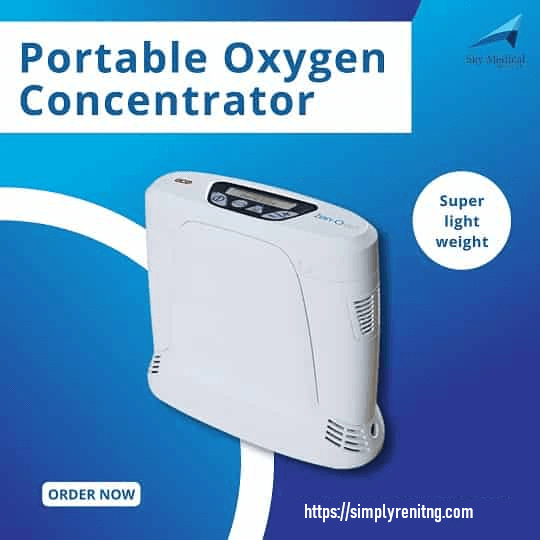
Portable oxygen concentrators are designed to be lightweight and easy to carry. They can be worn over the shoulder using a carrying case or placed securely in a vehicle during travel.
These devices typically operate using rechargeable lithium-ion batteries, which can be charged using standard electrical outlets or compatible car chargers. This portability allows patients to travel, run errands, and engage in daily activities while continuing oxygen therapy.
Points to Consider When Buying an Oxygen Concentrator
Before purchasing a portable oxygen concentrator, consult your healthcare provider to determine the appropriate oxygen prescription. Key factors to consider include:
- Oxygen flow capacity: Ensure the device meets or exceeds the prescribed oxygen requirements
- Oxygen purity level: The concentrator should consistently deliver 90%–95% oxygen
- Battery life: Consider how long the device can operate on a single charge
- Portability and weight: Especially important for active users
- Noise level: Lower noise improves comfort and usability
- Power consumption and charging options
- Warranty and service support
Choosing a device with slightly higher capacity than current needs may provide flexibility if oxygen requirements increase in the future.
Things to Remember for Oxygen Safety
When using a portable oxygen concentrator, it is essential to follow safety guidelines to prevent fire hazards:
- Do not smoke or allow others to smoke near the oxygen device
- Keep the concentrator away from open flames, matches, lighters, and sparks
- Avoid using flammable products such as aerosol sprays, cleaning agents, or alcohol-based solutions near the device
- Place the concentrator at least 5 feet away from stoves, heaters, candles, or fireplaces
- Always keep the device in an upright position and place it on a stable surface during use
Following these precautions ensures safe and effective oxygen therapy at home and while traveling.