
Welcome to part three of our troubleshooting series on mobility aids. In our last post, we tackled wheelchairs. Today, we’re moving on to something just as important—walkers.
Walkers come in standard, two-wheeled, and four-wheeled models. They all provide support, balance, and freedom. But even small problems such as a loose handle or squeaky wheel can compromise safety and confidence.
So, what are the most common walker issues, how can we fix them quickly, and when should we stop and call in a professional? Let’s dive in.
Common Walker Problems and Their Fixes
Here are the most usual walker issues with ways to handle each one.
Unstable or Wobbly Frame
What to look for:
• Legs don’t sit evenly on the ground
• Frame rocks side to side
• Handles feel shaky
Fix:
Start by checking the leg height settings. Make sure all legs are set to the same level. Walkers have push-buttons or knobs. Press and adjust them as needed.
Next, tighten all the bolts around the frame joints and handles. Check if the walker still wobbles. If the problem persists, inspect the rubber tips or wheels. A worn-out tip or loose wheel mount can throw off the balance.
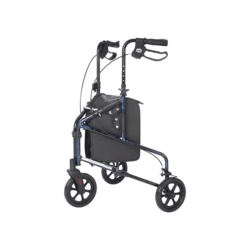
Need Better Stability?
If your walker still feels unsteady after adjustments, it may be time to switch to a more stable model that provides better balance and support on every step.
Worn or Slippery Tips and Wheels
What to look for:
• Rubber tips are smooth, cracked, or missing
• Wheels squeak or stick
• Walker slips instead of gripping
Fix:
Rubber tips wear down fast, especially on rough surfaces. Replace them if they’re shiny or split. Most tips are easily replaced by pulling off and pushing the new one in.
For wheeled walkers, check that the wheels spin freely. Clean off any hair, string, or gunk around the axle that prevents the spinning. Use a drop of silicone spray to loosen the stiffness. But avoid using oil because it collects dirt.
Difficulty Folding or Locking the Walker
What to look for:
• Walker won’t fold all the way
• Folding joints feel stuck
• Locking pin won’t catch
Fix:
Unfold the walker and inspect the hinges. Clean off any rust or grime. Spray a small amount of silicone lubricant at the folding joints.
Look at the locking mechanism. If there is a bent or missing pin, the walker won’t be able to hold in place. In such cases, you may need to replace that part or have it repaired by a professional.
Brakes Not Working Properly (Rollators)
What to look for:
• Brakes don’t stop the walker
• Cables feel loose
• Squeaky or grinding brake sounds
Fix:
Rollator brakes use bicycle-style cables. Over time, they stretch out or loosen. Use the adjustment knob near the hand grip to tighten the cable slightly. You’ll feel more tension as you adjust; that’s completely normal.
If the brakes still slip, check the brake pads under the wheels. Replace worn pads. You can also test the parking brake. If it has difficulty staying locked, you may need to replace the cable.
If brake issues persist, especially on rollators, it may be safer to upgrade to a newer unit with reliable braking. This is critical for preventing falls.
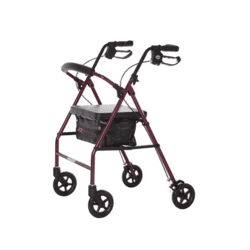
Safer Walking with Reliable Brakes
If your current walker’s brakes aren’t holding properly, switching to a rollator like this can give you better control, smoother movement, and added safety with every step.
Seat or Basket Problems (Rollators)
What to look for:
• The seat sags or creaks
• Basket wobbles or doesn’t stay in place
• Missing or broken fasteners
Fix:
Check all the screws and clips that hold the seat and basket. Tighten anything that’s loose. Replace any broken straps, clips, or brackets. These parts are often sold by Walker’s brand. Once you get them, you can easily swap them out.
Test if the seat feels unsafe. If you find any problem, don’t use it until it is checked or replaced.
When to Seek Professional Help
There are times when we can do quick fixes and go on with our day, and there are times the issues go beyond our capacity. Here’s when to stop and call a professional:
• The walker frame feels bent or no longer lines up
• Brakes fail even after adjusting or replacing parts
• You or the person using the walker feels unsafe or unstable
• The walker is very old, and new parts don’t seem to fit or hold properly
If something feels “off” and you’ve already tried the basics, a mobility technician can take a closer look. Remember, safety always comes first.
Preventive Maintenance Tips
A little routine care can go a long way. Here’s a simple schedule to keep your walker running smoothly:
Weekly:
• Wipe down the frame
• Check rubber tips or wheels
• Test brakes (on rollators)
Monthly:
• Tighten knobs, bolts, and folding joints
• Inspect wheels for debris or wobble
Annually:
• Replace any worn-out tips, wheels, or handles
• Review walker fit with a physical therapist if mobility or posture has changed
Final Thoughts
Walkers are simple equipment that do a big job. A small crack, slip, or loose handle can put you or your loved one at risk. Fixing these issues early boosts confident mobility and safety.
Stay alert to changes, keep the walker clean, and don’t wait too long to replace worn parts. When in doubt, get help from a pro.
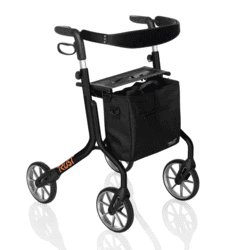
Ready for a More Comfortable and Reliable Walker?
Upgrade to a walker or rollator designed for smoother movement and better support.
👉 Next up: Cane Troubleshooting →
We’ll talk about the one-point support heroes—canes—and how to keep them solid, safe, and comfortable.