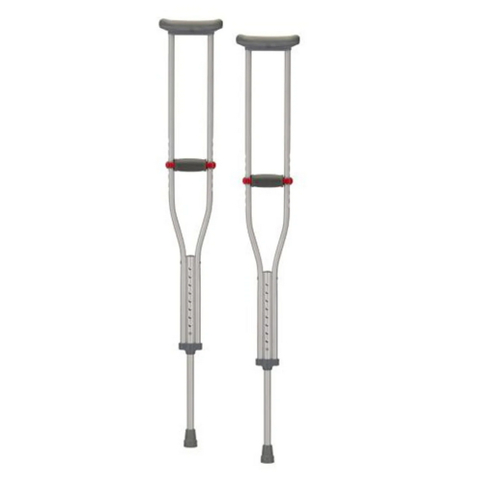
Recovering from an injury is challenging enough without struggling to move around safely. Whether you are healing after foot surgery, dealing with a knee injury, or helping a loved one stay mobile, choosing the right crutches can make daily life much easier.
The right crutch does more than provide support. It helps improve balance, reduces pressure on the injured leg, and allows you to move around with more confidence during recovery. Using the wrong type or size, however, can lead to discomfort, poor posture, hand pain, or even additional injuries.
Different crutch styles work better for different situations. Some are ideal for short-term recovery after surgery, while others are designed for long-term mobility support. Factors like upper body strength, balance, comfort, and lifestyle all play a role in finding the best fit.
In this guide, we will explain the main types of crutches, who they work best for, and how to choose the right option for safer movement and better comfort during recovery.
When Are Crutches Typically Used?
Crutches are commonly used when a person cannot fully place weight on one or both legs. They are often recommended after:
- ankle sprains
- foot or toe injuries
- knee surgery
- fractures
- hip injuries
- lower leg injuries
They may also help people living with long-term mobility conditions maintain independence and stay active. For many users, crutches provide more flexibility indoors and outdoors compared to larger mobility aids.
Some people only need crutches for a few weeks. Others may rely on them longer while managing chronic pain or mobility limitations. Choosing the right walking support equipment can make a major difference in comfort and stability during that time.
Choosing the Right Type of Crutch
There is no single crutch that works best for everyone. The right choice depends on your recovery needs, strength, coordination, and comfort level.
The two most common types are underarm crutches and forearm crutches. Each offers different advantages depending on how long you plan to use them and how active you need to be during recovery.
Underarm Crutches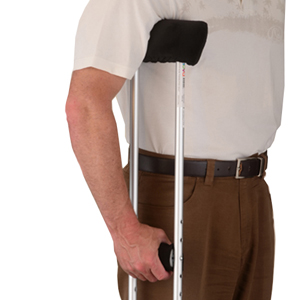
Underarm crutches, also called axillary crutches, are the style most people recognize. These crutches extend under the arms and are commonly used after short-term injuries like sprains, fractures, or surgery.
They are often recommended for temporary recovery because they are relatively simple to use and do not require as much upper body strength as forearm crutches.
Many recovering patients prefer underarm crutches during the early stages of recovery because they provide solid support and feel stable while walking short distances around the house.
Benefits of Underarm Crutches
Underarm crutches can be a good choice for:
- short-term injuries
- post-surgery recovery
- users who need maximum stability
- people with limited arm strength
Many adjustable aluminum models are lightweight and easier to carry than older wooden crutches. Some also include padded hand grips and underarm supports for additional comfort.
Things to Watch For
While underarm crutches are practical, improper use can cause discomfort. Resting body weight directly on the armpits may lead to soreness or nerve compression over time.
For safe use:
- Keep about two finger widths between the underarm pad and the armpit
- Support your weight through your hands, not your underarms
- Keep elbows slightly bent while walking
- Position the crutch tips slightly forward and to the side for balance
If properly adjusted, underarm crutches can provide reliable support during recovery without excessive strain.
Forearm Crutches
Forearm crutches, sometimes called elbow crutches, use a cuff around the forearm for support instead of resting beneath the arms.
These crutches are popular among users who need longer-term mobility assistance or who want more freedom of movement. Many people find them more comfortable once they become familiar with the walking technique.
Forearm crutches usually require more balance and arm strength at first. However, experienced users often find them easier to maneuver on stairs, uneven sidewalks, and tight indoor spaces.
Who May Benefit Most From Forearm Crutches?
Forearm crutches are often helpful for:
- longer recovery periods
- active users
- people with chronic mobility conditions
- users who experience discomfort with underarm crutches
Many users also prefer forearm crutches because they encourage a more upright posture and reduce pressure around the shoulders and armpits.
Proper Fit Matters
Correct sizing is important for comfort and safety. The cuff should sit slightly below the elbow, and the hand grip should allow a gentle bend in the elbow.
Like any mobility aid, forearm crutches may take time to get used to. Starting slowly and practicing on stable surfaces can help improve confidence and reduce strain on the wrists and shoulders.
Which Type of Crutch Is Best?
The best crutch depends on your situation.
If you are recovering from surgery or a temporary injury and need maximum stability, underarm crutches are often the easier choice.
If you expect longer-term use and want more flexibility during movement, forearm crutches may feel more comfortable once you gain experience using them.
Some users transition between both types during recovery. For example, a patient may begin with underarm crutches immediately after surgery and later switch to forearm crutches as strength and balance improve.
A properly fitted mobility aid can help reduce fatigue, improve safety, and make daily tasks easier during recovery.
Accessories That Improve Comfort and Safety
The right accessories can make crutches more comfortable and dependable, especially during extended use.
Crutch Tips
Crutch tips help maintain traction and stability. Worn tips can increase the risk of slipping, especially on smooth indoor flooring or wet surfaces.
Replacement options include:
- rubber crutch tips
- heavy-duty traction tips
- ice grip attachments
Pads and Covers
Padded underarm supports and hand grips may help reduce pressure during daily use. Some users prefer fleece or gel covers for added comfort during longer recovery periods.
Hand Grips
Comfortable hand grips are important because much of your body weight is supported through the hands and wrists. Ergonomic grips may help reduce irritation and hand fatigue.
Tips for Using Crutches Safely at Home
Using crutches safely takes practice, especially during the first few days after an injury or procedure.
Try to:
- keep walkways clear of cords and clutter
- move slowly on slippery floors
- wear supportive shoes indoors
- avoid leaning heavily onto the underarms
- take breaks when needed
If moving around the house becomes difficult, additional mobility aids like walkers, knee scooters, or bathroom safety equipment may help improve comfort and independence during recovery.
Final Thoughts
The right crutches can make recovery safer, more comfortable, and less stressful. Whether you need short-term support after surgery or longer-term mobility assistance, choosing the proper fit is important for stability and confidence.
Underarm crutches often work well for temporary injuries and early recovery, while forearm crutches can provide greater flexibility and comfort for extended use.
If you are unsure which option fits your needs best, working with a trusted provider of mobility aids and home medical equipment can help you find the right support for your recovery journey.