Lower back pain can make even the smallest tasks feel difficult—getting out of bed, sitting for long periods, or walking across the room. When that pain keeps coming back, finding a way to manage it comfortably becomes a priority.
A TENS unit offers a simple, drug-free way to ease that pain. Even better, it’s something you can use on your own schedule, without needing to leave your home. If used correctly, it can become part of your daily pain relief routine.
Let’s walk through exactly how it works and how to use it safely and effectively.
What Is a TENS Unit?
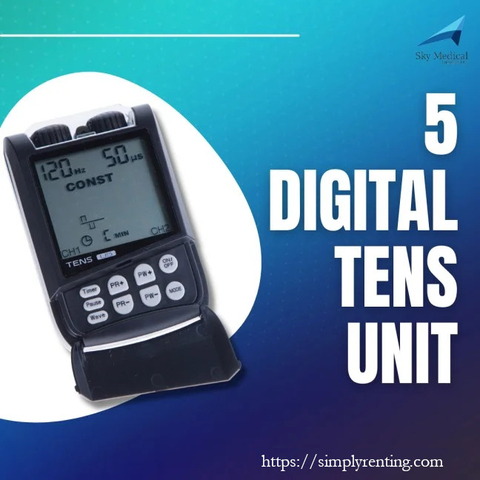
A TENS (Transcutaneous Electrical Nerve Stimulation) unit is a small device that sends mild electrical pulses through your skin using adhesive electrode pads.
These pulses do two important things:
- They help block pain signals before they reach your brain
- They encourage your body to release natural pain relievers (endorphins)
Instead of masking pain with medication, a TENS unit works directly with your nervous system to reduce how pain feels.
Most people describe the sensation as a gentle tingling or buzzing.
How a TENS Unit Helps Lower Back Pain
Lower back pain often comes from muscle tension, nerve irritation, or strain. A TENS unit can help by:
- Relaxing tight muscles
- Reducing the intensity of pain signals
- Improving comfort during movement or rest
Relief can start during the session and may last for a few hours afterward. While it doesn’t fix the root cause, it makes day-to-day life much more manageable.
Step-by-Step: How to Use a TENS Unit for Lower Back Pain
Using a TENS unit is straightforward once you understand the basics.
1. Identify the Pain Area
Start by locating where the pain is strongest. This is where your electrode pads will go.
2. Place the Electrodes Correctly
Place the pads on clean, dry skin:
- One pad on each side of the painful area
- Not directly on the spine, but alongside it
If your device uses four pads, place:
- Two above the pain
- Two below the pain
3. Turn the Device On (Start Low)
Always begin at the lowest intensity. You should feel a light tingling—not discomfort.
4. Adjust the Settings Gradually
Increase intensity slowly until it feels strong but comfortable. Avoid sharp or painful sensations.
5. Use It for 20–30 Minutes
A typical session lasts about half an hour. You can repeat sessions throughout the day if needed, with short breaks in between.
Understanding the Settings (Made Simple)
You don’t need to be technical to use a TENS unit effectively. Here’s what matters:
Frequency (speed of pulses):
- Higher frequency (around 80–120 Hz): often used for quick relief
- Lower frequency (around 2–10 Hz): often used for longer-lasting relief
Intensity (strength):
- This is the most important setting
- Keep it strong but comfortable
Pulse duration:
- Usually pre-set on most devices
- You rarely need to adjust it
If you're unsure, start simple and adjust based on what feels best for your body.
Electrode Placement Tips for Lower Back Pain
Proper placement makes a big difference in results.
- Place pads on either side of the pain, not directly on the spine
- Avoid placing pads on bony areas
- For pain that spreads (like sciatica), you can place pads along the path of the pain down the leg
Take a moment to adjust placement if the sensation doesn’t feel effective.
Safety Tips You Should Not Ignore
A TENS unit is generally safe, but a few precautions matter:
- Do not place electrodes on broken or irritated skin
- Avoid using it while sleeping
- Do not place pads on the front of your neck or head
- If you feel discomfort or skin irritation, stop and adjust
It’s also a good idea to speak with a healthcare provider before starting, especially if you have underlying conditions.
Can You Use a TENS Unit Every Day?
Yes, many people use a TENS unit daily as part of their pain management routine.
Just keep sessions controlled:
- Around 20–30 minutes per session
- Give your skin short breaks between sessions
Overuse in one spot can irritate the skin, so rotate pad placement slightly if needed.
Is a TENS Unit Right for You?
A TENS unit can be a great option if:
- You deal with ongoing lower back pain
- You want a drug-free way to manage discomfort
- You prefer a solution you can use on your own schedule
It’s especially helpful for people who want consistent relief without relying on frequent clinic visits.
Final Thoughts: A Simple Way to Take Control of Back Pain
Lower back pain doesn’t always go away overnight. But managing it becomes much easier when you have the right tools.
A TENS unit gives you a practical way to reduce pain, relax your muscles, and stay comfortable throughout the day. With proper use, it can become a reliable part of your routine—helping you move better and feel more in control.
If you’re considering adding one to your routine, choosing a quality unit and learning how to use it properly is the key to getting the best results.