
Post-operative patients are at an increased risk of falls and injuries, particularly in the bathroom. Factors such as pain, limited mobility, reduced balance, medication side effects, and conditions like osteoporosis can significantly increase the likelihood of accidents. Bathroom-related falls may result in serious complications, including fractures, skin injuries, infections, and delayed recovery. For this reason, ensuring bathroom safety is a critical part of post-operative care.
The bathroom is often considered one of the most hazardous areas in the home for individuals recovering from surgery. Slippery surfaces, confined spaces, and the need for frequent transfers can make routine activities challenging. Implementing appropriate safety measures and adaptive equipment can greatly reduce the risk of injury and support a safer, more comfortable recovery.
Why Bathroom Safety Matters After Surgery
Following surgery, patients may experience weakness, dizziness, or difficulty standing for extended periods. Tasks such as bathing or using the toilet can place strain on healing muscles and joints. Without adequate support, these activities may lead to falls or reinjury. Proactive bathroom modifications can help patients maintain independence while minimizing risks.
Bathroom Safety Tips for Post-Operative Patients
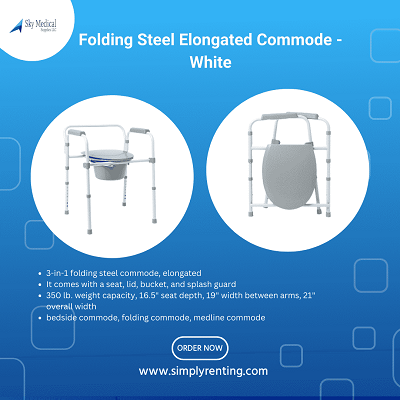
Convenient and Safe: Bedside Commode for Post-Operative Patients
Use Non-Slip Bath Mats
Non-slip bath mats help prevent slipping on wet floors and should be placed inside and outside the shower or bathtub.
Install Grab Bars
Grab bars provide stability and support when entering or exiting the shower, bathtub, or toilet area. Properly installed grab bars can significantly reduce fall risk and improve confidence during movement.
Use a Toilet Safety Support Frame or Rail
Toilet safety frames and rails assist patients when sitting down or standing up from the toilet. These supports reduce strain on joints and muscles and help maintain balance.
Install a Shower Chair
A shower chair allows patients to bathe while seated, reducing fatigue and the risk of slipping. This is especially helpful for individuals who cannot stand comfortably for long periods.
Ensure Adequate Lighting
Good lighting is essential for visibility, particularly during nighttime bathroom visits. Motion-sensor night lights can further enhance safety.
Keep the Bathroom Clutter-Free
Remove unnecessary items such as loose rugs, bath toys, or small furniture that could create tripping hazards.
Keep Essential Items Within Reach
Frequently used items like soap, shampoo, towels, and toilet paper should be placed within easy reach to prevent overreaching or loss of balance.
Choosing the Right Bathroom Safety Equipment
Bathroom safety products should be selected based on the patient’s specific needs, mobility level, and type of surgery. Medical-grade equipment designed for post-operative use provides better stability and durability than standard household alternatives. Products such as grab bars, shower chairs, and toilet safety rails are commonly recommended by healthcare providers as part of fall-prevention strategies.
Manufacturers such as NOVA produce a range of anti-fall and bathroom safety devices designed to support patients during recovery. These products are often used for individuals recovering from orthopedic surgeries, spinal procedures, or hip fractures.
Where to Find Bathroom Safety Products
Suppliers like Sky Medical Supplies offer a wide selection of bathroom safety equipment suitable for post-operative patients. These products are also commonly used in long-term care facilities, rehabilitation centers, schools, and homes accommodating individuals with special needs.
Conclusion
Bathroom safety is a vital component of post-operative recovery. By addressing common hazards and incorporating supportive equipment, patients can reduce the risk of falls, avoid preventable injuries, and promote faster healing. Caregivers and healthcare providers should assess bathroom environments early in the recovery process and implement appropriate safety measures to ensure a safe and supportive space for healing.