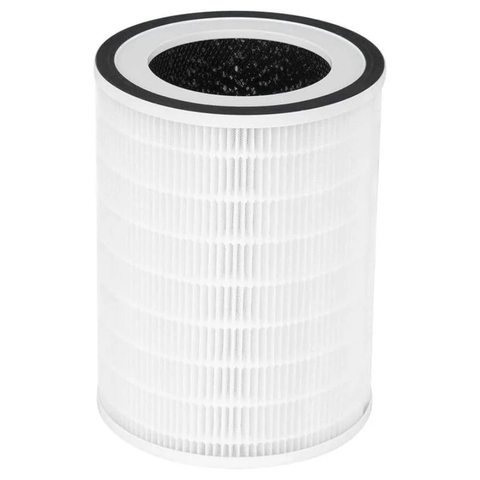
Clean indoor air matters more than ever. We spend most of our time inside—working, sleeping, and relaxing. Yet indoor air can contain dust, pollen, pet dander, smoke, and even airborne bacteria and viruses. That’s where an air purifier comes in.
But not all air purifiers are the same. Some are built for allergies. Others focus on smoke and odors. Some are powerful enough for large rooms, while others are meant for a small bedroom or office.
This guide will walk you through everything you need to know before buying an air purifier. By the end, you’ll know exactly what to look for based on your room size, health needs, and budget.
What Does an Air Purifier Actually Do?
An air purifier pulls air from your room, pushes it through one or more filters, and releases cleaner air back into the space. The filters trap or neutralize pollutants such as:
- Dust and pollen
- Pet hair and dander
- Mold spores
- Smoke particles
- Odors from cooking or chemicals
High-quality air purifiers can also reduce airborne bacteria and virus-carrying particles. While they are not a replacement for proper ventilation or medical treatment, they can significantly improve indoor air quality.
Types of Air Purifiers
Understanding filter types is one of the most important parts of choosing the right model.
HEPA Filters
HEPA stands for High-Efficiency Particulate Air. A True HEPA filter captures 99.97% of particles as small as 0.3 microns. That includes fine dust, pollen, and many airborne allergens.
Be careful with terms like “HEPA-type” or “HEPA-style.” These are marketing phrases and may not meet true HEPA standards.
Activated Carbon Filters
Carbon filters are designed to remove odors, smoke, and chemical fumes. They absorb gases that HEPA filters cannot capture. If you’re dealing with cooking smells, wildfire smoke, or chemical sensitivity, carbon filtration is essential.
UV-C and Heat-Based Systems
Some air purifiers use ultraviolet light or heat to neutralize germs. These systems aim to reduce airborne bacteria and viruses. They usually work alongside a filter rather than replacing it.
Ionizers
Ionizers release charged particles into the air to make pollutants clump together and fall out of circulation. While some people find them helpful, certain ionizers may produce ozone, which can irritate the lungs. Always check safety certifications before choosing one.
How to Choose the Right Size: Room Size, ACH, and CADR
Size matters more than most people realize. A purifier that is too small for your room won’t clean the air effectively.
Start by measuring your room’s square footage. Then check the purifier’s recommended coverage area. Models are often grouped like this:
Small units typically cover rooms up to 300 square feet.
Medium models work for spaces between 300 and 700 square feet.
Large units can handle rooms up to 1,900 square feet or more.
Whole-house systems connect directly to your HVAC system.
But square footage is only part of the story.
What Is ACH?
ACH stands for Air Changes Per Hour. It tells you how many times the purifier can clean the entire volume of air in a room each hour.
If you have allergies or asthma, look for a unit that provides at least four air changes per hour. That means the air in the room is filtered every 15 minutes.
What Is CADR and Why It Matters
CADR stands for Clean Air Delivery Rate. It measures how quickly a purifier removes smoke, pollen, and dust from the air. The higher the number, the faster the cleaning.
Look for CADR ratings verified by the Association of Home Appliance Manufacturers (AHAM). AHAM verification gives you confidence that the performance claims are accurate.
As a simple rule, choose a CADR that is at least two-thirds of your room’s square footage. For example, a 300-square-foot room should have a CADR of around 200 or higher.
Special Needs: Choosing Based on Health Concerns
Different households have different air quality challenges.
If you suffer from allergies, choose a True HEPA air purifier with strong airflow. It should be able to handle multiple air changes per hour.
For asthma, focus on HEPA filtration combined with carbon filters to reduce both particles and chemical irritants.
If smoke is your main concern—whether from cigarettes, fireplaces, or wildfires—carbon filtration becomes critical. Look for thicker carbon filters, not thin sheets.
Pet owners should choose models designed to capture pet hair and dander. Strong suction and washable pre-filters help extend the life of the main filter.
For people with multiple chemical sensitivities (MCS), it’s important to select a purifier made from low-emission materials that minimize off-gassing.
Important Features to Consider
Modern air purifiers come with a range of features. Some improve convenience, while others affect long-term cost.
Energy efficiency is key. Look for Energy Star-certified models. These units meet strict efficiency guidelines and can reduce electricity costs over time.
Air quality sensors are useful because they adjust fan speed automatically based on pollution levels in the room.
Smart controls allow you to operate the purifier from your phone. While not essential, they add convenience.
Also pay attention to noise levels. Most manufacturers list decibel ratings. Quiet models operate around 20 to 30 dB on low settings, similar to a whisper. Higher fan speeds can reach 50 dB or more, which may be noticeable in a bedroom.
Do Air Purifiers Remove Viruses?
Air purifiers with True HEPA filters can capture many virus-carrying particles suspended in the air. However, they do not kill viruses on surfaces or replace medical precautions.
Some units combine HEPA filtration with UV-C light to help neutralize airborne microbes. While helpful, these systems should be seen as part of a broader indoor air strategy that includes ventilation and hygiene.
Ozone Warning: What You Should Know
Some air purifiers, especially certain ionizers and ozone generators, produce ozone as a byproduct. Ozone can irritate the lungs and worsen asthma symptoms.
If you have respiratory issues, avoid ozone-generating models. Always check product specifications carefully and look for safety certifications.
Maintenance and Long-Term Costs
Buying an air purifier is not just about the upfront price. Maintenance costs matter.
HEPA filters typically last between six and twelve months, depending on usage and air quality. Carbon filters usually last about six months. Pre-filters may need replacement every three months, though some are washable.
Before purchasing, check the cost and availability of replacement filters. A cheaper unit with expensive filters may cost more in the long run.
Energy consumption is another factor. Energy Star-rated models help keep operating costs lower over time.
Where to Place Your Air Purifier
Most people place their air purifier in the bedroom since that’s where they spend the most continuous time. Portable units are designed for single-room use.
If you want flexibility, choose a model with handles or caster wheels so you can move it between rooms.
Whole-house air purifiers connect to your HVAC system and clean the air as it circulates through heating or cooling. These systems are ideal for consistent coverage throughout the home.
Common Mistakes to Avoid
One common mistake is buying a unit that’s too small for the room. Another is ignoring CADR ratings and focusing only on price.
Some buyers overlook filter replacement costs. Others choose models that generate ozone without realizing the potential health risks.
Finally, don’t rely on marketing terms alone. Look for verified performance ratings and clear technical specifications.
Final Buying Checklist
Before making your purchase, confirm that:
- The purifier matches your room size.
- It provides at least four air changes per hour if you have allergies or asthma.
- It uses a True HEPA filter if particle removal is your priority.
- It includes carbon filtration if odors or smoke are concerns.
- CADR ratings are verified by AHAM.
- Replacement filter costs fit your budget.
- Noise levels are suitable for your space.
Bottom Line
There is no one-size-fits-all air purifier. The best model depends on your room size, health needs, and budget.
Focus on performance first—CADR ratings, ACH, and True HEPA filtration. Then consider convenience features, maintenance costs, and energy efficiency.
If you’re ready to invest in cleaner air, explore trusted air purifier options from reputable suppliers. The right choice can make your home more comfortable, healthier, and easier to breathe in every day.