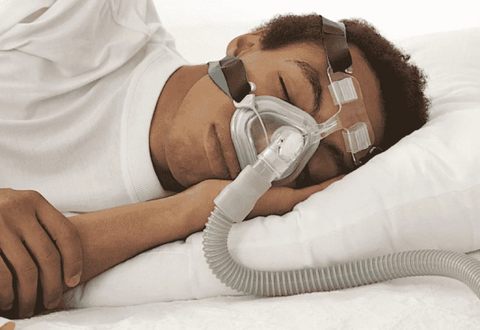
When to Use a Nasal Pillow CPAP Mask at Home
If you’ve been diagnosed with sleep apnea and prescribed CPAP therapy, choosing the right mask can make all the difference. Comfort matters. Fit matters. And using the right type of mask can determine whether you stick with treatment long term.
One option many patients consider is the nasal pillow CPAP mask. It’s lightweight, minimal, and less bulky than traditional designs. But when is it actually the right choice?
Let’s break it down clearly.
What Is a Nasal Pillow CPAP Mask?
A nasal pillow CPAP mask is a small, lightweight mask that seals at the entrance of the nostrils. Unlike full-face masks, it does not cover the nose and mouth. Instead, two soft silicone cushions sit gently against the nostrils and deliver pressurized air directly into the nasal passages.
It connects to a CPAP (Continuous Positive Airway Pressure) machine or sometimes a BiPAP machine through tubing. The air pressure keeps your airway open while you sleep, helping prevent pauses in breathing caused by obstructive sleep apnea.
Because of its minimal design, many users describe it as less intrusive and easier to adjust to compared to bulkier masks.
When Should You Use a Nasal Pillow CPAP Mask at Home?
A nasal pillow mask can be a good option in several situations.
If You Primarily Breathe Through Your Nose
Nasal pillows work best for people who breathe comfortably through their nose at night. If you do not have chronic nasal blockage, severe congestion, or frequent sinus obstruction, this type of mask can be very effective.
However, if you are a consistent mouth breather, a full-face mask may be more appropriate unless you use a chin strap to prevent mouth leaks.
If You Feel Claustrophobic With Larger Masks
Some people struggle with the feeling of a full mask covering their face. A nasal pillow mask has a much smaller footprint. It leaves your field of vision open and creates less facial contact. This can significantly reduce feelings of claustrophobia.
If You Wear Glasses or Read Before Bed
Because it does not cover the bridge of your nose, you can comfortably wear glasses, read, or watch TV while wearing a nasal pillow mask before falling asleep.
If You Move a Lot During Sleep
Many side sleepers prefer nasal pillows. The smaller design makes it easier to turn your head without dislodging the mask. Some models are specifically designed for active sleepers.
If You Experience Skin Irritation From Larger Masks
Full-face and traditional nasal masks rest on more facial skin. For people prone to pressure marks, irritation, or skin sensitivity, nasal pillows may reduce those contact points.
Who Is a Good Candidate?
Nasal pillow masks are often suitable for:
- People with mild to moderate obstructive sleep apnea
- Users who require lower to moderate CPAP pressure settings
- Individuals seeking a lighter, less bulky interface
- Patients who struggle with mask leaks from larger masks
It’s important to note that higher pressure settings can sometimes feel more intense with nasal pillows because the airflow is more concentrated. Some users adapt well, while others may prefer a different mask style.
Your sleep specialist can help determine which type matches your prescribed pressure level and breathing patterns.
Who Should Avoid Nasal Pillow CPAP Masks?
While many people do well with nasal pillows, they are not ideal for everyone.
If you have severe chronic nasal obstruction, frequent sinus infections, or structural nasal issues that limit airflow, this mask type may not be effective.
People recovering from recent nasal surgery or trauma should consult their physician before using nasal pillows. In some cases, temporary swelling or healing tissues may make nasal contact uncomfortable.
Consistent mouth breathing can also reduce effectiveness unless properly managed. Air escaping through the mouth can decrease therapy quality.
Always follow your doctor’s recommendation. In many regions, CPAP therapy requires a prescription and formal diagnosis through a sleep study.
Advantages of Using a Nasal Pillow CPAP Mask
Many users choose nasal pillows because of comfort and simplicity.
They are lightweight and less restrictive. The minimal headgear reduces facial pressure points. Many patients report fewer red marks on the face in the morning.
The open design also allows for better visibility and freedom before sleep. For some, this improves long-term therapy adherence — which is critical in managing sleep apnea.
When properly fitted, nasal pillows can provide an effective seal with fewer leaks compared to poorly fitted full-face masks.
How Long Should You Use a Nasal Pillow Mask Each Night?
For CPAP therapy to work effectively, the mask should be worn every time you sleep — ideally throughout the entire night.
Most sleep specialists recommend using CPAP for at least 6 to 8 hours per night. Consistency is key. Removing the mask halfway through the night reduces the benefits of therapy.
If you are new to CPAP, it may take a few nights to adjust. Gradually increasing usage time can help your body adapt.
Are Nasal Pillow CPAP Masks Suitable for COVID-19?
CPAP therapy is primarily prescribed for sleep apnea, not for treating viral infections like COVID-19 at home.
During the COVID-19 pandemic, certain hospital settings used positive airway pressure devices under medical supervision. However, using CPAP at home specifically to treat COVID-19 without physician guidance is not recommended.
If you have COVID-19 and use CPAP for sleep apnea, consult your healthcare provider. In some cases, additional precautions may be needed to reduce aerosol spread within the household.
Possible Side Effects
When fitted properly, nasal pillow masks are generally safe. However, some users may experience:
- Nasal dryness
- Minor nosebleeds
- Sinus discomfort
- Irritation around the nostrils
- Air leaks
Using a heated humidifier with your CPAP machine can significantly reduce dryness. Proper sizing and adjustment are essential to prevent discomfort.
If you experience persistent pain, bleeding, or worsening sinus symptoms, contact your sleep specialist.
Factors That Affect Effectiveness at Home
Several factors can influence how well your nasal pillow mask performs:
Humidity levels in your bedroom, mask fit, pressure settings, and even facial anatomy all play a role.
Regular cleaning is also important. Wash the cushions daily with mild soap and water, and allow them to air dry. Replace nasal pillows according to manufacturer recommendations to maintain a proper seal.
Small adjustments can greatly improve comfort and effectiveness.
Final Thoughts
A nasal pillow CPAP mask can be an excellent option for many people managing sleep apnea at home. It offers a lightweight, less bulky alternative to traditional masks and can improve comfort for the right user.
However, it is not universally suitable. Nasal breathing ability, pressure settings, medical history, and personal comfort all matter.
Before switching masks or starting CPAP therapy, consult a qualified sleep specialist. The goal is not just comfort — it is effective, consistent treatment that protects your long-term health.
Choosing the right mask may seem like a small detail, but it can make a significant difference in how well you sleep — and how well you breathe.