Helping someone with bathing or toileting can be challenging. This is especially true for seniors or people recovering from injury. The bathroom can quickly become a dangerous place when balance, strength, or coordination is limited.
Wet floors, slippery tiles, and tight spaces increase the risk of falls. For someone with mobility problems, even simple tasks like standing at the sink or getting into the bathtub can become difficult.
Fortunately, several bathroom safety aids can make these daily routines easier and safer. These tools support independence while reducing the risk of injury.
Below are some of the most helpful bathroom aids for people with mobility challenges.
Grab Rails
Grab rails are one of the most important bathroom safety features. They provide stability when standing, sitting, or moving around the bathroom.
Rails are usually installed near:
- the toilet
- the bathtub
- the shower area
- the sink
Many daily activities require standing. Brushing teeth, washing hands, or using the mirror can be difficult for someone who struggles with balance. A grab rail next to the sink gives the user something stable to hold while using the other hand.
Grab rails are also extremely helpful around the bathtub and shower. Getting into and out of a bathtub requires lifting the legs, lowering the body, and pushing up again when standing. These movements can be risky for people with limited strength or mobility.
A sturdy rail provides the support needed during these transitions. Some rails are mounted directly on the wall, while others attach to the side of the bathtub. Certain models have a U-shaped design that extends upward from the side of the bath, offering support exactly where it is needed.
Grab rails come in different finishes such as white or chrome, which blend well with most bathrooms. High-visibility colors like red are also available and can be helpful for people with poor eyesight.
Choosing the right length and position is important. Installation should be done by a qualified professional to ensure the rail is firmly secured to the wall.
Perching Stools
Standing for long periods can be exhausting for people with limited strength or balance problems. This is where perching stools can help.
A perching stool is designed with a slightly angled seat that allows the user to rest while remaining in a semi-standing position. Both feet stay on the floor while the body leans against the seat for support.
This position reduces pressure on the legs while still allowing the person to remain upright.
Perching stools are often used at the bathroom sink. They make tasks like brushing teeth, shaving, or washing the face much easier. Instead of standing for several minutes, the user can partially sit and stay comfortable.
Some people also use perching stools in the shower when standing becomes tiring. The added support makes daily hygiene routines more manageable.
Raised Toilet Seats and Bath Seats
Lower toilet seats and deep bathtubs can create serious challenges for someone with limited mobility.
A raised toilet seat increases the height of the toilet, reducing the distance a person must lower themselves. This small change can make a big difference for people with weak knees, hip pain, or reduced strength.
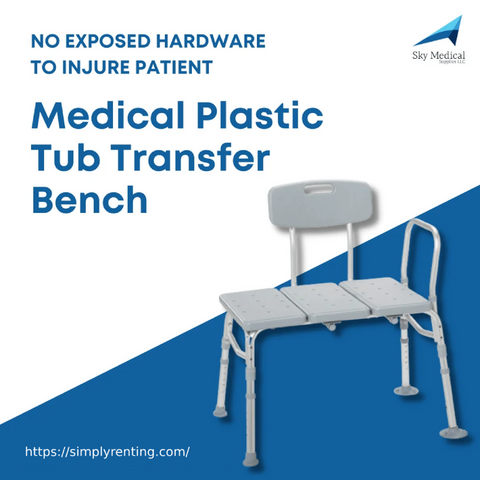
Bath seats provide similar support inside the bathtub. Instead of lowering the body all the way down to the bottom of the tub, the person sits on a stable seat positioned higher up.
This makes it easier to enter and exit the bath while maintaining balance. Most bath seats use suction cups or non-slip feet to stay securely in place.
Although bath seats prevent full immersion in water, they significantly improve safety and comfort for many users.
Gripping Aids
People with arthritis or limited hand strength often struggle to grip small objects. Turning taps, holding toothbrushes, or opening containers can become painful tasks.
Simple gripping aids can make these everyday actions easier.
Tap turners are one example. They attach to traditional taps and extend the handle, giving the user more leverage to turn the water on and off. This reduces the amount of force required.
Another helpful solution is increasing the thickness of small handles. Toothbrushes, razors, and similar items can be fitted with foam tubing to create a larger grip. A thicker handle is often much easier to hold and control.
These small adjustments can greatly improve independence during personal care routines.
Helping Someone Stay Safe in the Bathroom
Assistive devices are helpful, but safe habits also matter. When helping someone with bathing or toileting, a few precautions can make the environment much safer.
Keep the bathroom floor dry whenever possible. Wet tiles are one of the most common causes of slips and falls.
Make sure frequently used items are within easy reach. This prevents unnecessary stretching or bending.
Allow the person enough time to move slowly and safely. Rushing can increase the risk of accidents.
Whenever possible, encourage the person to maintain independence while using safety aids. This helps build confidence and preserves dignity.
Final Thoughts
Bathroom safety is essential for people with mobility challenges. Simple tasks like bathing, standing at the sink, or using the toilet can become difficult without proper support.
Fortunately, tools such as grab rails, perching stools, raised toilet seats, bath seats, and gripping aids can make these activities much safer.
These assistive devices help reduce the risk of falls while allowing individuals to maintain independence and comfort in their daily routines.
Sky Medical Supplies offers a wide selection of bathroom safety and mobility aids designed to support seniors, caregivers, and individuals with limited mobility. If you are looking for practical solutions to improve bathroom safety, exploring the right assistive equipment can make a meaningful difference.