Staying mobile and pain-free at home isn’t always easy—especially after an injury, surgery, or as we age. What used to feel simple, like walking across a room or standing up, can suddenly become uncomfortable or even unsafe.
That’s where the right support makes all the difference.
Two of the most commonly recommended solutions are orthopedic shoes and walkers. But knowing when you actually need them can be confusing.
Let’s break it down in a simple, practical way so you can make the right choice for yourself or a loved one.
When Do You Need Orthopedic Shoes?
Orthopedic shoes are designed to support your feet properly and improve how you walk. Unlike regular footwear, they focus on alignment, stability, and pressure relief.
You may need orthopedic shoes if you notice any of the following:
Ongoing Foot Pain or Discomfort
If your feet hurt after standing or walking—even for short periods—it’s often a sign that your shoes aren’t providing enough support.
Conditions like plantar fasciitis, bunions, or arthritis can make this worse. Proper orthopedic shoes help reduce pressure and improve comfort throughout the day.
Flat Feet or High Arches
Your foot structure plays a big role in how your body moves.
- Flat feet can cause overpronation (feet rolling inward)
- High arches can lead to poor shock absorption
Orthopedic shoes help correct these issues and keep your body aligned.
Foot Deformities or Swelling
If you have bunions, hammertoes, or swelling, standard shoes may feel tight or painful.
Orthopedic shoes come in extra widths and flexible designs, making them much more comfortable for different foot shapes.
Recovery After Foot Injury or Surgery
After surgery or an injury, your foot needs protection and stability.
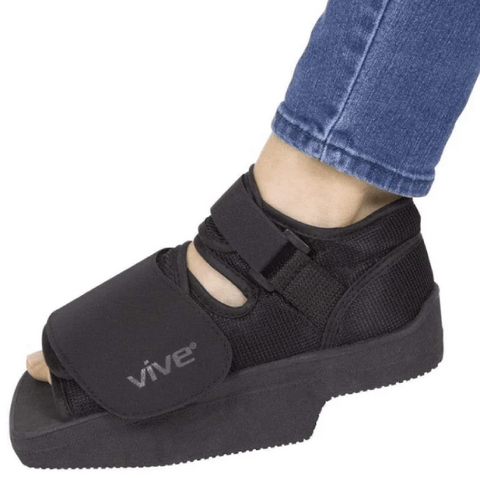
In many cases, orthopedic or post-op shoes are recommended to:
- Reduce pressure on the healing area
- Prevent further injury
- Support safe movement at home
When Do You Need a Walker at Home?
While orthopedic shoes support your feet, walkers support your entire body. They are essential when balance, strength, or stability becomes a concern.
You may need a walker if:
You Feel Unsteady While Walking
If you feel like you might lose your balance, even occasionally, a walker provides immediate support and confidence.
This is especially important for seniors or anyone at risk of falling.
After Surgery or Injury
Following hip, knee, or leg surgery, walking without support can be risky.
A walker helps:
- Reduce weight on the injured area
- Improve stability
- Speed up recovery safely
Muscle Weakness or Fatigue
If walking feels exhausting or your legs feel weak, a walker can help you move around your home without overexertion.
You’ve Experienced Falls or Near Falls
Even one fall is a serious warning sign.
Using a walker can prevent future accidents and allow you to stay independent at home longer.
What About Walker Boots?
Sometimes people confuse walkers (mobility aids) with walker boots (orthopedic boots)—but they serve different purposes.
A walker boot is used when:
- You have a foot or ankle injury
- You’re recovering from surgery
- You need to immobilize and protect your foot
It keeps your foot stable while still allowing limited movement, making recovery safer and more comfortable.
Understanding Orthotics (Shoe Inserts)
Orthotics are inserts placed inside shoes to improve comfort and alignment. They can be used with orthopedic shoes or regular supportive footwear.
There are three main types:
- Functional orthotics help correct movement issues like overpronation
- Accommodative orthotics provide cushioning and relieve pressure
- Supportive orthotics help maintain proper arch support
While over-the-counter options exist, custom orthotics offer more precise correction when needed.
Simple Signs You May Need Extra Support
Still unsure what you need? These common signs can help guide you:
- You have persistent foot, leg, or back pain
- You feel unstable while walking
- You’re recovering from surgery or injury
- Your feet have visible structural issues (flat feet, bunions, etc.)
- Walking feels tiring or unsafe
If any of these sound familiar, it may be time to consider home mobility equipment like orthopedic shoes or a walker.
When to Talk to a Professional
If your symptoms are ongoing or getting worse, it’s always a good idea to consult a podiatrist or healthcare provider.
They can:
- Assess your walking pattern
- Recommend the right type of support
- Suggest custom orthotics if needed
Getting the right guidance early can prevent bigger problems later.
Final Thoughts
The right support can completely change how you move and feel at home.
Orthopedic shoes help reduce pain and improve foot alignment. Walkers provide stability and safety when balance becomes an issue. And in some cases, you may benefit from using both.
At Sky Medical Supplies, we offer a wide range of home medical equipment and mobility aids to help you stay safe, comfortable, and independent. Whether you’re recovering from surgery or simply need extra support, we’re here to help you find the right solution.
Get the Right Support for Your Needs Today
If you’re dealing with foot pain, mobility challenges, or recovery at home, don’t wait until it gets worse.
Explore our selection of orthopedic shoes, walker boots, and mobility aids—or reach out to our team for guidance. We’re always happy to help you choose what works best for your situation.