Caring for a wound at home can feel overwhelming, especially when regular bandages are not enough. After surgery or an injury, some wounds produce more fluid than others. In these situations, using the right dressing is not just helpful—it is essential for proper healing.
ABD pads, also known as abdominal pads, are designed for exactly this purpose. They help manage heavy drainage, protect the wound, and make home recovery more comfortable and safe.
In this guide, you will learn when to use ABD pads at home, how they work, and how to choose the right one.
What Are ABD Pads?
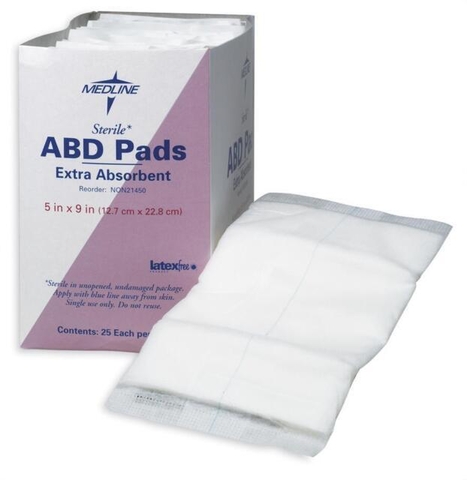
ABD pads are thick, highly absorbent dressings used to cover larger wounds. Despite the name “abdominal,” they are not limited to the abdomen. They can be used on many parts of the body where wounds need extra absorption and protection.
Each pad typically has a soft outer layer that sits against the skin and a dense inner core that pulls in fluid. The outer edges are sealed to prevent leakage, and the backing helps keep moisture from passing through to clothing or bedding.
These pads were originally developed for high-drainage wounds, and today they are widely used in home wound care for people recovering from surgery or dealing with ongoing wound conditions.
When Should You Use ABD Pads at Home?
Not every wound needs an ABD pad. They are best used when a standard gauze or small dressing cannot handle the amount of fluid.
You may need ABD pads for home use if you are dealing with post-surgery recovery, especially after procedures that leave larger incisions. They are also useful for wounds that produce moderate to heavy drainage, such as pressure sores or deep cuts.
Caregivers often rely on ABD pads when managing wounds for seniors or patients with limited mobility. They are also helpful for protecting sensitive areas where cushioning can reduce discomfort.
If a wound is already dry or healing with minimal drainage, a lighter dressing may be more appropriate.
Key Features That Make ABD Pads Effective
ABD pads are designed with comfort and performance in mind. The material that touches the skin is soft and non-woven, which helps reduce irritation during use and removal.
Inside the pad, a thick absorbent layer pulls fluid away from the wound. This helps keep the area clean while reducing the risk of skin breakdown caused by excess moisture.
The sealed edges prevent lint from entering the wound and stop fluid from leaking out. Many pads also include a moisture-resistant backing, which protects clothing and bedding during recovery.
Because of these features, ABD pads are a reliable option for managing larger wounds at home.
How ABD Pads Work
The main job of an ABD pad is simple: absorb fluid and protect the wound.
As the wound releases fluid, the inner core of the pad draws it in and spreads it out. This prevents pooling, which can slow healing and increase the risk of infection.
At the same time, the outer layer protects the wound from outside contaminants. This creates a cleaner environment that supports steady healing.
For many people recovering at home, this balance of absorption and protection makes a noticeable difference in comfort and recovery speed.
Common Sizes of ABD Pads
ABD pads come in several sizes to match different wound types. The most common sizes include 5 x 9 inches, 7.5 x 8 inches, and 8 x 10 inches.
Choosing the right size matters. The pad should fully cover the wound while extending slightly beyond the edges. However, it should not be so large that it becomes difficult to secure or uncomfortable to wear.
How to Use ABD Pads at Home
Using ABD pads correctly is important for both comfort and healing. The process is simple but should be done carefully.
Start by gently cleaning the wound as directed by a healthcare professional. If needed, apply a primary dressing or ointment to the wound surface.
Next, place the ABD pad over the area with the soft side facing the wound. Make sure it sits flat and fully covers the area.
Secure the pad using medical tape or a wrap. It should stay in place without being too tight.
Check the pad regularly and change it when it becomes saturated or as recommended. Keeping the wound clean and dry is key to proper healing.
How to Choose the Right ABD Pad
Choosing the right ABD pad depends mostly on how much fluid the wound produces. For wounds with heavier drainage, a thicker and more absorbent pad is a better choice.
Pay attention to the quality of the pad as well. Look for sealed edges to prevent leakage and a soft surface that will not stick to the wound.
Size is another important factor. A properly sized pad provides better coverage and protection without causing discomfort.
For most home wound care situations, having a few different sizes on hand can make it easier to adjust as the wound heals.
Pros and Limitations of ABD Pads
ABD pads offer strong absorption, which helps keep wounds cleaner and reduces the risk of skin irritation. They also provide cushioning, making them more comfortable for sensitive areas.
However, they are not ideal for every situation. Smaller or dry wounds may not need such a large or absorbent dressing. In some cases, too much absorption can dry out a wound that benefits from a slightly moist environment.
Understanding when to use them—and when not to—can make a big difference in recovery.
Where to Buy ABD Pads for Home Use
If you are looking for reliable ABD pads for home use, Sky Medical Supplies offers a range of options designed for different levels of wound drainage and recovery needs.
Choosing a quality product can make home care easier and more comfortable. Before starting any wound care routine, it is always a good idea to follow guidance from a healthcare professional to ensure you are using the right supplies.
Final Thoughts
ABD pads are a simple but powerful tool in home wound care. When used correctly, they help manage drainage, protect the wound, and support a smoother recovery process.
Whether you are caring for yourself or a loved one, having the right dressing can make daily care easier and more effective. ABD pads are especially useful when standard dressings are no longer enough, giving you added confidence during recovery at home.