Pain has a way of slowing everything down. Whether it’s a sore knee, stiff back, or swollen joint, even simple daily movements can become difficult.
That’s where hot and cold compression therapy comes in.
This method is simple, non-invasive, and widely recommended for managing pain, reducing swelling, and improving mobility. It’s commonly used in recovery plans for injuries, chronic conditions, and even post-surgical care.
And when used the right way, it can make a noticeable difference in how fast and how comfortably you recover.
How Hot and Cold Therapy Works
Hot and cold therapy work in opposite ways, but both are effective.
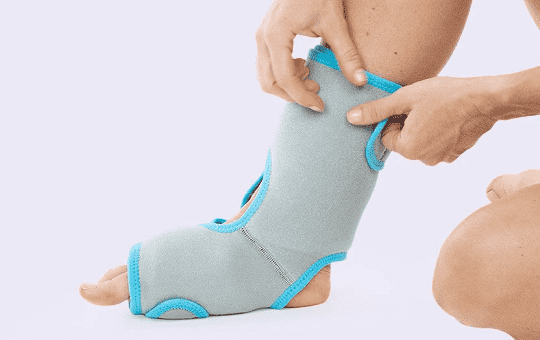
Heat therapy increases blood flow. When you apply heat to an area, blood vessels expand. This brings more oxygen and nutrients to the muscles. As a result, the muscles relax, stiffness reduces, and movement becomes easier. It also helps remove waste from the tissues, which supports recovery.
Cold therapy, on the other hand, slows things down. It constricts blood vessels and reduces circulation to the area. This helps control inflammation, swelling, and pain. It’s especially useful when dealing with fresh injuries or flare-ups.
Both methods use your body’s natural response system. That’s why they’re often part of recovery routines recommended by professionals.
When to Use Heat vs Cold
Knowing when to use each therapy is key.
Use cold therapy when dealing with swelling, inflammation, or sharp pain. This includes sprains, strains, or post-surgical discomfort. For example, many patients recovering from knee procedures rely on an ice therapy machine to manage swelling and stay comfortable during recovery.
Heat therapy works better for stiffness and ongoing muscle tension. If your muscles feel tight or sore, heat can help loosen them and improve flexibility. It’s also useful before physical activity to prepare the muscles and reduce the risk of injury.
In many cases, people alternate between the two. This combination can help manage both pain and stiffness more effectively.
Common Conditions It Can Help With
Hot and cold compression therapy is used across a wide range of conditions. Some of the most common include muscle aches, back pain, joint stiffness, and swelling.
It’s also frequently used for arthritis-related discomfort. Heat helps reduce stiffness in the joints, while cold therapy can calm inflammation during flare-ups.
For people dealing with knee pain, hand pain, or neck stiffness, consistent use of compression therapy can improve daily comfort and mobility.
How to Apply Hot and Cold Therapy
Applying these therapies correctly makes all the difference.
Cold therapy is usually done using ice packs, cold wraps, or cold therapy machines. Sessions should be short. Around 10 to 15 minutes is often enough to reduce swelling without irritating the skin.
Heat therapy can be applied using heating pads, warm towels, or hot water bottles. It’s generally used for a longer duration. For mild stiffness, 15 to 20 minutes works well. For deeper muscle discomfort, sessions may last longer, depending on comfort.
Modern therapy products make this process easier. Instead of constantly replacing ice or reheating towels, many people prefer reusable wraps or therapy units that maintain a steady temperature and provide consistent compression.
This not only improves results but also saves time and effort.
Why Many People Choose Therapy Devices
While basic methods like ice packs and hot towels still work, they often lack consistency.
That’s why therapy devices have become a preferred option.
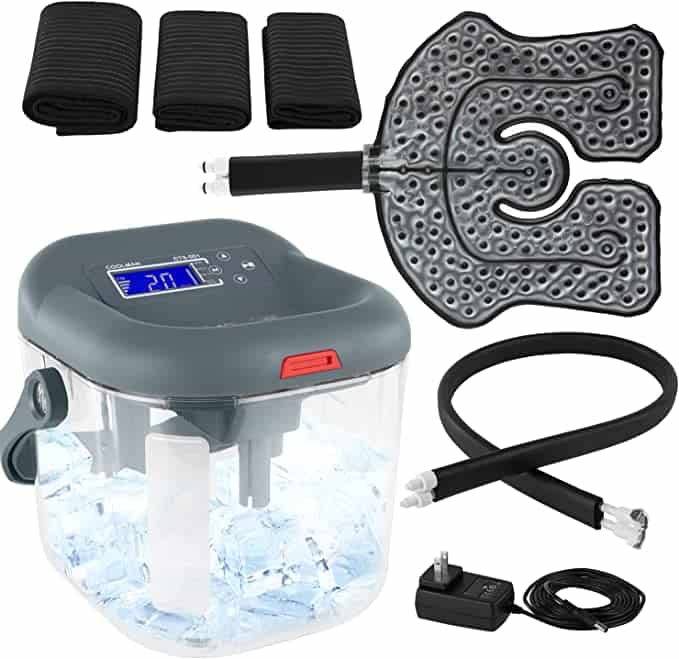
A cold therapy unit, for example, delivers continuous cooling without the mess of melting ice. It also provides gentle compression, which helps reduce swelling more effectively. This is especially helpful during recovery periods when consistent treatment is important.
Similarly, advanced heat wraps are designed to target specific areas and maintain a safe, steady temperature. This reduces the risk of overheating while improving comfort.
For anyone dealing with recurring pain or extended recovery, these tools offer a more reliable solution.
Benefits Beyond Pain Relief
The biggest advantage of hot and cold therapy is how accessible it is.
It doesn’t rely on medication. It supports the body’s natural healing process. And it can be used regularly without complicated steps.
Beyond pain relief, it helps improve flexibility, supports faster recovery, and makes daily movement easier. For many people, it becomes part of their routine, especially when managing chronic discomfort or recovering from physical strain.
Facial Applications of Cold Therapy
Cold therapy isn’t just for muscles and joints. It’s also widely used for facial care.
Applying cold to the face can help reduce puffiness, calm irritation, and improve overall skin appearance. A simple method is using ice wrapped in a soft cloth and gently moving it across the face in circular motions.
Specialized face wraps take this a step further by covering key areas like the cheeks, jawline, and forehead. They provide even cooling and light pressure, making the process more effective and comfortable.
Precautions to Keep in Mind
Hot and cold therapy are safe when used correctly, but it’s important to be careful.
A slight pink color on the skin after treatment is normal. However, extreme temperatures or prolonged exposure can cause damage.
Watch for signs like blisters, unusual swelling, hives, or dark discoloration. If you notice any of these, stop the therapy immediately and seek medical advice.
Always use a barrier, like a towel or cloth, between your skin and the source of heat or cold. This simple step can prevent irritation and keep the treatment safe.
Final Thoughts
Hot and cold compression therapy remains one of the simplest and most effective ways to manage pain and support recovery.
Whether you’re dealing with a recent injury, chronic discomfort, or post-surgical healing, using the right method at the right time can make a real difference.
And when consistency matters, choosing reliable therapy solutions can help you stay on track and recover with greater comfort.