Taking care of a wound at home may seem simple, but using the right supplies makes a big difference. The wrong dressing can slow healing, increase discomfort, or even lead to infection.
Every wound is different. The size, depth, location, and amount of drainage all affect how it should be treated. That’s why it’s always best to follow a care plan recommended by a trained clinician. Once you understand the needs of the wound, choosing the right home wound care supplies becomes much easier.
In this guide, we’ll walk you through the most common wound dressings and how to choose the right one for faster healing at home.
Why the Right Home Wound Care Supplies Matter
Proper wound care is not just about covering an injury. The goal is to create the right environment for healing.
Good wound care supplies can:
- Keep the wound clean and protected
- Maintain the right level of moisture
- Reduce pain and irritation
- Lower the risk of infection
- Support faster tissue repair
When you match the dressing to the wound type, healing becomes smoother and more comfortable, especially for patients recovering at home.
Common Wound Dressings and When to Use Them
Hydrocolloid Dressings
Hydrocolloid dressings are best for wounds with light to moderate drainage. They are often used for pressure sores, minor burns, and slow-healing wounds.
These dressings are self-adhesive and flexible, making them comfortable for daily wear. They seal the wound and create a moist environment, which helps the body heal naturally. Because they form a protective barrier, they also help keep bacteria out.
They work well for patients who need a low-maintenance option at home since they can stay in place for longer periods.
Hydrogel Dressings
Hydrogel dressings are ideal for dry or painful wounds. If a wound has little moisture or contains dead tissue, this type of dressing can help.
The cooling gel provides relief and keeps the wound hydrated. This makes it a good choice for burns, pressure ulcers, and sensitive wounds.
For caregivers, hydrogel dressings are especially useful when comfort is a priority. They help reduce pain while supporting healing at the same time.
Alginate Dressings
Alginate dressings are designed for wounds with heavy drainage. They are made from natural fibers that absorb large amounts of fluid and turn into a gel.
This helps keep the wound clean while maintaining the right moisture balance. They are often used for deeper wounds, venous ulcers, or wounds that bleed easily.
However, they should only be used when there is enough drainage. Using them on dry wounds can slow healing by removing too much moisture.
Collagen Dressings
Collagen dressings are commonly used for chronic or slow-healing wounds. They help support new tissue growth by acting as a structure for cells to build on.
They are useful for surgical wounds, ulcers, and burns. In many cases, they help speed up healing by encouraging the body to repair damaged tissue more effectively.
This makes them a strong option for patients recovering at home who need extra support for healing.
Foam Dressings
Foam dressings are a versatile option for many types of wounds. They are soft, absorbent, and comfortable to wear.
They work well for wounds with moderate drainage. The foam absorbs excess fluid while still keeping the wound moist. At the same time, it protects the wound from outside bacteria.
These dressings come in different shapes and can be used on areas like the heel or elbow, where extra cushioning is helpful.
Other Essential Home Wound Care Supplies
Wound dressings are only part of the process. A complete home wound care setup includes a few other important supplies.
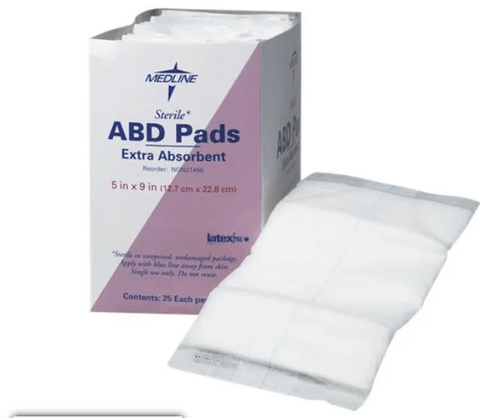
Gauze sponges are useful for cleaning wounds and adding an extra layer of protection. They help keep dirt and bacteria away while preventing irritation from friction.
Medical tape is used to secure dressings in place. Soft cloth tape is often preferred because it is gentle on the skin and reduces irritation, especially for long-term use.
Non-woven sponges are a stronger and more durable option for wound care. They leave less lint behind, making them ideal for sensitive wounds or packing deeper areas.
Alcohol pads are helpful for cleaning the surrounding skin before treatment. This reduces the risk of introducing bacteria during dressing changes.
Gloves and face masks are also important for maintaining hygiene. They protect both the caregiver and the patient during wound care.
How to Choose the Right Wound Care Supplies at Home
Choosing the right supplies starts with understanding the wound.
If the wound is dry, a hydrating option like hydrogel may be best. If there is a lot of drainage, alginate or foam dressings are more suitable. For slow-healing wounds, collagen dressings can provide added support.
Comfort also matters. Some dressings stay in place longer and require fewer changes, which can make daily care easier.
One common mistake is switching dressings too often or using the wrong type for the wound. This can slow healing instead of helping it. Keeping a simple and consistent care routine is usually the best approach.
Final Thoughts
Healing a wound at home becomes much easier when you use the right supplies. Each dressing serves a specific purpose, and choosing the right one can improve comfort, reduce complications, and speed up recovery.
If you’re looking for reliable home medical supplies for wound care, Sky Medical Supplies offers a range of options designed for safe and effective use at home. Choosing quality products is a small step that can make a big difference in recovery.