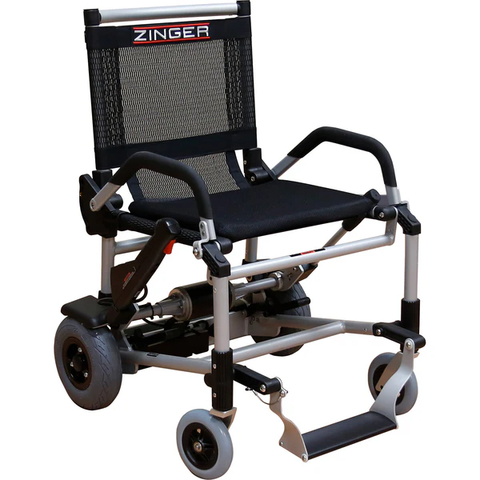
For people with limited mobility, the loss of independence often shows up in small ways first. Getting to the kitchen alone. Stepping outside for some air without waiting for someone to help. These aren't dramatic moments, but they add up — and a home power wheelchair can change that math considerably.
Power wheelchairs, also called power chairs or electric wheelchairs, use a rechargeable battery and a joystick or control panel to move. The user doesn't push. That single shift removes a surprising amount of daily friction, for both the person in the chair and anyone helping them.
Whether someone is dealing with a recent injury, a long-term health condition, or the kind of gradual mobility loss that comes with age, the right power wheelchair can make it possible to get through the day on their own terms.
What Is a Power Wheelchair?
A power wheelchair is a motorized mobility device that runs on rechargeable batteries and is controlled with a joystick or panel. That's the essential difference from a manual wheelchair: it doesn't require pushing by the user or a caregiver.
Most current models include adjustable seating, pressure-relief cushions, and reclining options. Some are designed specifically for indoor use, others built to handle sidewalks, ramps, and uneven outdoor terrain. Higher-end models add features like obstacle detection, pressure monitoring, and programmable driving profiles.
Benefits of Using a Home Power Wheelchair
A home power wheelchair isn't just about getting from the bedroom to the kitchen. It tends to have a broader effect on how someone feels day to day.
Greater Independence
For many users, the biggest change is not needing to ask for help as often. Being able to move around the house on your own schedule — without waiting for a caregiver or family member — does something for your confidence that's hard to overstate.
Less Physical Strain
Manual wheelchairs take real effort, especially for anyone with limited upper body strength. A power chair removes most of that effort. That matters for caregivers too, who often carry a significant physical load from assisting with mobility.
Better Comfort and Support
Many power wheelchairs offer padded seating, headrests, arm supports, and tilt or recline functions. These aren't luxury features. For someone sitting for most of the day, proper positioning affects posture, skin health, and long-term comfort in ways that go beyond basic convenience.
Easier Indoor and Outdoor Mobility
The right chair can handle hallways, bathrooms, driveways, and outdoor paths. The key word is right — a compact indoor model will struggle on gravel, and a heavy-duty outdoor chair may be awkward in a narrow hallway. Matching the chair to the actual environment matters.
Who Can Benefit From a Power Wheelchair?
Power wheelchairs are used by people across a wide range of conditions and situations. They're commonly a good fit for people with:
- Limited mobility due to aging
- Spinal cord injuries
- Cerebral palsy
- Multiple sclerosis
- Muscular weakness
- Amputation
- Traumatic brain injuries
- Conditions that make walking difficult or unsafe
They're also useful during post-surgical or post-illness recovery, when someone needs extra support temporarily but still wants to move around independently at home.
Important Things to Consider Before Choosing a Power Wheelchair
There's no universally correct power wheelchair. The right choice depends on the person using it, where they live, and what their day actually looks like.
Home Accessibility
Before picking a model, measure the actual spaces where the chair will be used. Doorways, hallways, bathroom entries, and any tight corners all have their own tolerances. A chair that's an inch too wide turns a manageable home into a daily obstacle course.
It's also worth checking flooring transitions, thresholds, and whether any ramps are needed.
Seating and Comfort
For people who spend most of their day seated, seating isn't a minor spec — it's central to everything else. Look for adjustable seating, pressure-relief cushioning, and reclining or tilt options. Back and neck support matter too, especially for longer periods of use.
Getting seating wrong affects posture, skin integrity, and general comfort throughout the day.
Indoor vs. Outdoor Use
Think about where the chair will spend most of its time. Indoor power wheelchairs tend to be compact with a tight turning radius, well suited to smaller spaces. Outdoor models typically have larger wheels, stronger motors, and better stability on rougher surfaces — but they're usually harder to maneuver inside.
Most people end up needing to prioritize one environment. If someone splits their time fairly evenly, that's worth factoring into the conversation early.
Battery Life
Battery range varies quite a bit between models. For someone who mostly moves around at home, this may not be a major concern. For anyone attending regular appointments or spending time outdoors, it becomes important fast. Know how far the chair needs to travel on a typical day before choosing a battery spec.
Why a Proper Assessment Matters
Picking a power wheelchair without a proper evaluation tends to end in frustration — either with a chair that doesn't fit the space, doesn't match the user's physical needs, or simply feels wrong to operate.
A good assessment looks at height and weight, current mobility level, seating requirements, home layout, daily activity patterns, and longer-term mobility goals. These details shape everything, from the chair's dimensions to its controls to its seating configuration.
Delivery, Setup, and Adjustments
Delivery is the start of the process, not the end of it. New users typically need time to get comfortable with the controls and learn how the chair moves through their specific home.
It's also normal to need adjustments as time goes on. Mobility needs change, and small modifications to seating or controls can make a real difference in how usable the chair feels month to month. A chair that fits well makes daily life easier. One that doesn't gets pushed into a corner.
Finding the Right Home Power Wheelchair
The best power wheelchair for home use is the one that fits the person and their environment — not the one with the most features, or the most compact footprint, or the lowest price point.
At Sky Medical Supplies, we help people and caregivers sort through the options to find home mobility equipment that actually works for their situation. If you're looking at power chairs for home use, whether for yourself or someone you're caring for, we're happy to help you figure out what fits.