People living with breathing difficulties or chronic lung conditions may require oxygen therapy to maintain safe oxygen levels in their blood. A portable oxygen concentrator (POC) is a medical device designed to deliver supplemental oxygen while allowing individuals to remain active and mobile.
The primary purpose of a portable oxygen concentrator is to support oxygen therapy outside the home, helping users maintain adequate oxygen saturation during daily activities such as walking, traveling, running errands, or socializing. By providing supplemental oxygen in a lightweight, battery-powered format, portable oxygen concentrators help users breathe more comfortably while preserving independence and quality of life.
Portable oxygen concentrators may be prescribed by a healthcare provider for short-term or long-term use, depending on the individual’s diagnosis, oxygen requirements, and lifestyle needs. When used as directed, a POC can be an effective and convenient alternative to traditional oxygen delivery systems.
About Portable Oxygen Concentrators
A portable oxygen concentrator is a compact medical device that extracts oxygen from the surrounding air and delivers concentrated oxygen to the user. Unlike traditional oxygen tanks, POCs do not store oxygen. Instead, they continuously process ambient air to supply oxygen as needed.
Portable oxygen concentrators are designed to be lighter and smaller than stationary oxygen systems, making them easier to transport. Many models operate on rechargeable batteries and can also be powered using an electrical outlet or a vehicle’s DC power source. This versatility allows users to transition seamlessly between home use and activities outside the home.
Most portable oxygen concentrators include:
- Rechargeable lithium-ion batteries
- AC (home) and DC (vehicle) power adapters
- Carrying options such as shoulder bags, backpacks, or rolling carts
- User-friendly control panels for adjusting settings
Due to their portability and convenience, POCs are commonly used by individuals who require oxygen therapy and wish to maintain an active lifestyle.
Conditions That May Require Oxygen Therapy
Portable oxygen concentrators are prescribed for individuals who experience low blood oxygen levels (hypoxemia) due to certain medical conditions. These may include, but are not limited to:
- Chronic Obstructive Pulmonary Disease (COPD)
- Pulmonary fibrosis
- Interstitial lung disease
- Lung cancer
- Severe pneumonia
- Post-viral respiratory complications (including some cases of COVID-19)
- Other chronic or progressive lung disorders
It is important to note that oxygen therapy should only be used under medical supervision, as incorrect oxygen levels may be harmful. A healthcare provider will determine whether a portable oxygen concentrator is appropriate and prescribe the correct flow settings.
How Does a Portable Oxygen Concentrator Work?
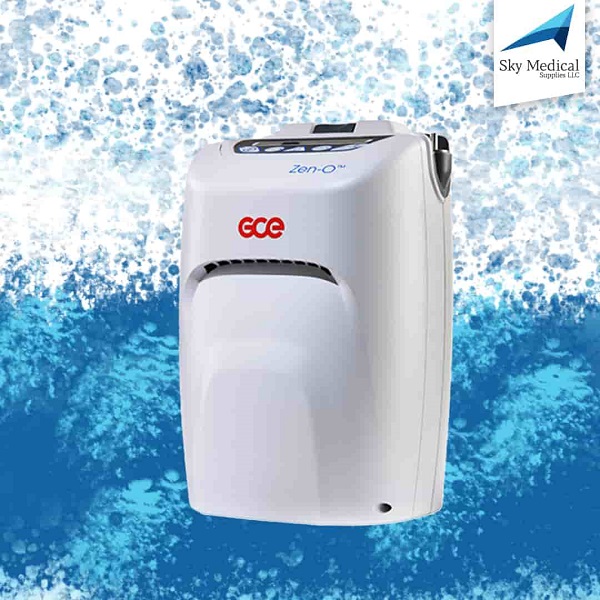
Portable oxygen concentrators function differently from oxygen cylinders. Rather than storing compressed oxygen, a POC works by filtering and concentrating oxygen from the surrounding air.
Ambient air contains approximately 78% nitrogen and 21% oxygen. A portable oxygen concentrator draws in this air, removes most of the nitrogen using specialized filters (typically a sieve bed system), and delivers oxygen-enriched air to the user.
The oxygen is delivered through a nasal cannula, a thin, flexible tube placed in the nostrils. In some cases, a face mask may be used if recommended by a healthcare provider.
POCs are designed to provide oxygen in a controlled and consistent manner. Most units include a digital display or control panel that allows users to monitor settings, battery life, and alarms. Because they generate oxygen continuously from the air, portable oxygen concentrators do not require refilling, which distinguishes them from traditional oxygen tanks.
Types of Oxygen Delivery in Portable Oxygen Concentrators
Portable oxygen concentrators typically fall into one of two categories:
Pulse Flow
Pulse flow systems deliver oxygen only when the device detects inhalation. Oxygen is released in measured bursts, making this option more energy-efficient and suitable for many active users.
Continuous Flow
Continuous flow systems deliver a steady stream of oxygen, regardless of breathing pattern. This mode may be required for individuals who need oxygen during sleep or have higher oxygen demands.
A healthcare provider will determine which delivery mode is appropriate based on medical needs and activity level.
Key Benefits of Portable Oxygen Concentrators
Freedom and Mobility
One of the most significant advantages of a portable oxygen concentrator is mobility. Compared to heavy oxygen tanks, POCs are lightweight and designed for easy transport. Many units weigh less than five pounds, making them manageable for daily use.
Portable oxygen concentrators allow users to leave their homes, travel, and participate in social activities without worrying about running out of oxygen or transporting bulky equipment. Many models are approved for use on commercial flights, offering additional freedom for travel.
Greater Independence
Portable oxygen concentrators support independence by allowing users to manage oxygen therapy on their own terms. With multiple power options—battery, home electricity, and vehicle power—users are not confined to a single location.
Because POCs do not require refilling, users avoid frequent supplier visits and logistical concerns associated with oxygen tanks. Accessories such as carrying cases and carts further enhance ease of movement and daily comfort.
Battery Life and Power Options
Most portable oxygen concentrators operate on rechargeable batteries, with battery life varying by model and oxygen setting. Depending on usage, batteries may provide anywhere from 4 to 9 hours of operation.
Many devices feature:
- Battery life indicators
- Audible and visual alarms
- Easily replaceable batteries
Carrying a spare charged battery is often recommended, particularly for extended outings or travel.
Physical and Mental Well-Being
Adequate oxygen levels are essential for the proper functioning of vital organs, including the brain and heart. Oxygen therapy can help reduce symptoms such as fatigue, shortness of breath, and cognitive fog associated with low oxygen levels.
By supporting proper oxygenation, portable oxygen concentrators may contribute to:
- Improved stamina and endurance
- Better sleep quality
- Enhanced mental clarity and mood
- Increased ability to remain socially and physically active
Together, these benefits can significantly improve overall quality of life.
Mobility and Modern Oxygen Therapy
Before portable oxygen concentrators became widely available, oxygen therapy often required users to remain near a power outlet or rely on stationary systems. Advances in medical technology have transformed oxygen therapy into a more flexible and patient-centered solution.
Today’s portable oxygen concentrators are compact, discreet, and designed to fit a wide range of lifestyles. With options for different oxygen delivery modes and accessories, POCs can be customized to meet individual needs while maintaining medical effectiveness.
Cost Considerations and Long-Term Value
While the initial cost of a portable oxygen concentrator may be higher than traditional oxygen tanks, many users find them more cost-effective over time. Because POCs do not require oxygen refills, they can reduce recurring expenses associated with tank delivery and replacement.
Portable oxygen concentrators may be purchased or rented, depending on medical needs, insurance coverage, and budget considerations.
Conclusion
A portable oxygen concentrator plays a vital role in modern oxygen therapy by providing supplemental oxygen in a convenient, mobile format. For individuals with prescribed oxygen needs, a POC can help maintain independence, support physical and mental well-being, and improve overall quality of life.
Before purchasing or renting a portable oxygen concentrator, it is essential to consult a healthcare provider. A doctor will determine the appropriate oxygen flow, delivery mode, and device type based on medical evaluation.
Users should follow all medical instructions, maintain their device properly, and seek medical advice if symptoms worsen or oxygen needs change. With proper guidance and use, a portable oxygen concentrator can be a reliable and empowering tool for managing oxygen therapy while continuing to enjoy daily life.