Urinary incontinence affects millions of people across all age groups, although it becomes more common after the age of sixty five. It is important to understand that incontinence is not a normal part of aging. Many factors such as medical conditions, physical changes, medications, pregnancy, childbirth, and lifestyle habits can contribute to loss of bladder or bowel control. In the United States alone, more than 25 million adults experience urinary incontinence.
Bowel incontinence, which involves the loss of control over bowel movements, can also affect daily life in similar ways. Both conditions can create emotional stress, embarrassment, and anxiety. However, with the right knowledge and support, individuals can continue living comfortable and fulfilling lives.
Breaking the Stigma Around Incontinence
One of the biggest barriers to seeking help is the belief that incontinence is simply part of getting older. Many people also feel embarrassed discussing their symptoms, even with healthcare professionals. This delay in seeking support can affect both physical and mental well being.
Incontinence can impact confidence, social life, and overall quality of life. But it is a medical condition, not a personal failure. Early consultation with a healthcare provider can open the door to treatment options, lifestyle adjustments, and practical solutions.
Choosing the Right Incontinence Products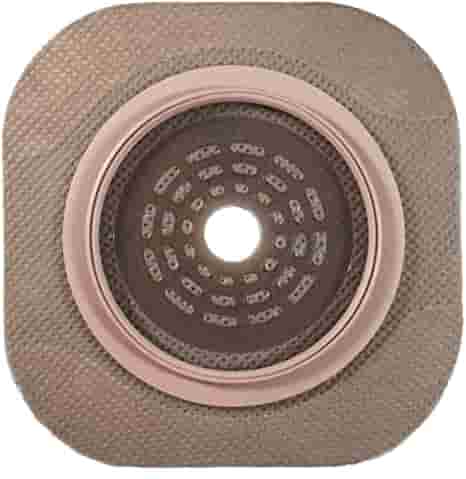
Selecting suitable incontinence products plays a major role in maintaining comfort and dignity. The right absorbent products help prevent leakage, control odor, and reduce skin irritation. This can restore confidence and reduce anxiety about accidents.
When choosing products such as pads, protective underwear, or bed liners, it is important to consider the amount and frequency of leakage. Products that match individual needs offer better protection and prevent unnecessary skin exposure to moisture.
Medical supply stores and pharmacies often guide patients and caregivers in selecting appropriate products. Knowledgeable staff can help recommend single use or reusable options based on comfort, mobility level, and lifestyle.
Protecting the Skin from Irritation
Frequent exposure to urine or stool can lead to skin problems, including incontinence associated dermatitis. The skin may become red, irritated, or even infected if not properly cared for.
To protect the skin:
- Change absorbent products every two to four hours, or sooner if heavily soiled.
- Check the skin regularly, especially in areas covered by pads or underwear.
- Use gentle cleansers and pat the skin dry instead of rubbing.
- Apply skin protectants such as zinc oxide creams if recommended by a healthcare provider.
If skin irritation worsens or signs of infection appear, it is important to seek medical advice promptly.
Strengthening Bladder Control with Pelvic Floor Exercises
Pelvic floor exercises, often called Kegel exercises, can help improve bladder control. These exercises strengthen the muscles that support the bladder and bowel.
To perform them correctly, first identify the pelvic muscles by trying to stop the flow of urine. Once identified, contract these muscles for a few seconds, then relax. Repeat this process several times and aim to practice three times a day. With consistent effort, many individuals notice improved control, especially when coughing, sneezing, or laughing.
Although pelvic exercises may not cure incontinence completely, they can significantly reduce leakage and improve confidence.
Lifestyle Habits That Support Bladder and Bowel Health
Daily habits also influence incontinence symptoms. Staying hydrated is important, but limiting excessive caffeine, alcohol, and carbonated drinks may reduce bladder irritation. Some individuals benefit from scheduling regular bathroom visits instead of waiting for a strong urge.
Maintaining a healthy diet rich in fiber can help manage bowel function and reduce constipation, which can worsen both urinary and bowel incontinence. Regular physical activity also supports overall pelvic health and circulation.
When to Seek Professional Support
Not all incontinence can be completely cured, but many cases can be improved with treatment. Some people experience temporary incontinence while waiting for surgery or recovering from a medical procedure. Others may manage it long term with a combination of exercises, lifestyle adjustments, and appropriate products.
Reaching out to healthcare providers or continence specialists can provide guidance, reassurance, and treatment options. Seeking help early can prevent complications and improve quality of life.
Living a Healthy and Comfortable Life
Living with bowel or urinary incontinence can feel overwhelming at first. However, with proper management, the condition does not have to control daily life. Understanding the causes, using the right products, protecting the skin, and strengthening pelvic muscles can make a meaningful difference.
With support, education, and practical strategies, individuals with incontinence can maintain their dignity, confidence, and well being while continuing to enjoy an active and fulfilling life.