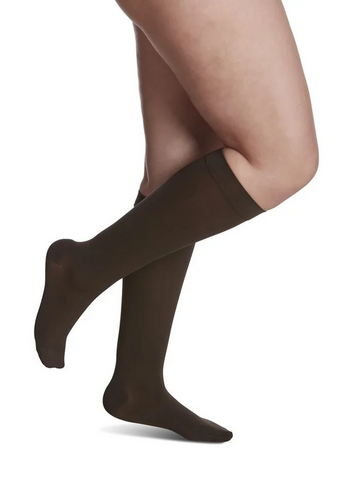
Recovering from hip replacement surgery takes time, patience, and the right support. One simple tool that helps many patients during recovery is compression socks. Doctors often recommend them to reduce swelling, improve blood flow, and lower the risk of blood clots after surgery.
Compression socks apply gentle pressure to the legs. This pressure helps move blood back toward the heart and prevents fluid from building up in the lower legs. When worn correctly, they can make recovery more comfortable and safer.
In this guide, you’ll learn why compression socks matter after surgery, how to choose the right compression level, and how to properly put them on and remove them without risking hip injury.
Why Properly Wearing Compression Socks Matters
After hip replacement surgery, movement is often limited. When the legs stay still for long periods, blood can pool in the lower limbs. This increases the risk of swelling, discomfort, and serious complications like blood clots.
Compression socks help prevent these problems. They apply graduated pressure, meaning the compression is strongest at the ankle and gradually decreases up the leg. This encourages healthy circulation.
Properly wearing compression socks can help:
- reduce swelling in the legs and ankles
- improve blood circulation
- lower the risk of deep vein thrombosis (DVT)
- support faster and more comfortable recovery
They are also useful beyond surgery. Many people wear them during long flights, extended sitting, pregnancy, athletic activities, or jobs that require standing for long periods.
Compression Stockings Pressure Levels (mmHg)
Compression socks come in different pressure levels. These levels are measured in millimeters of mercury (mmHg) and indicate how much pressure the socks apply to your legs.
Common compression levels include:
8–15 mmHg – Light support. Often used for mild swelling or everyday comfort.
15–20 mmHg – Moderate support. Helpful for mild circulation problems or long travel.
20–30 mmHg – Firm support. Commonly recommended after surgery, including hip replacement recovery.
30–40 mmHg – Extra firm support. Usually prescribed for more serious medical conditions.
Most orthopedic surgeons recommend 20–30 mmHg compression socks after hip replacement surgery. This level provides enough pressure to manage swelling and support circulation without causing discomfort.
Always follow your doctor’s advice when choosing compression strength.
Choosing the Right Length
Compression socks also come in different lengths. The correct length depends on where swelling occurs.
Knee-high compression socks are the most common option after surgery. They help reduce swelling in the lower leg and improve circulation below the knee.
If swelling extends above the knee, your doctor may recommend thigh-high compression stockings. These provide support for the entire leg.
Some patients use compression pantyhose, which apply pressure throughout the lower body. These can help maintain circulation and reduce swelling in both legs.
The key is to choose a style that supports the area where swelling occurs while remaining comfortable enough for daily use.
Risks to Consider Before Using Compression Socks
Compression socks are generally safe, but some people may experience mild irritation.
Possible side effects include itching, redness, or skin irritation. This is more common in people with sensitive skin or fabric allergies.
If you have a history of skin reactions, circulation disorders, or nerve conditions, it is best to speak with your doctor before using compression stockings.
Make sure the socks fit properly. Socks that are too tight can restrict circulation instead of helping it.
Hip Precautions After Hip Replacement
During recovery, protecting your new hip joint is extremely important. Doctors usually recommend several movement precautions.
Avoid leaning forward too much when standing up from a chair. Sit in chairs with armrests and use them for support when rising.
Do not pull your knees toward your chest while lying down. Your knees should also never rise higher than your hip while sitting.
Your operated leg should not turn inward. Keep your toes pointing forward or slightly outward while walking.
Many patients also avoid sleeping on the side of the operated hip until their doctor says it is safe.
Using assistive tools can make recovery easier. Devices such as reacher tools, sock aides, long-handled shoehorns, or Velcro shoes help reduce bending and protect the hip joint.
How to Put On Compression Socks After Hip Replacement
Putting on compression socks can be difficult after surgery because bending forward is restricted. The safest way to put them on yourself is by using a sock aide.
First, sit in a stable chair while keeping your hips slightly higher than your knees. Placing a pillow on the chair can help if needed. Avoid low chairs, couches, or beds.
Place the compression sock over the sock aide so the toe of the sock sits at the front of the device.
Keep your legs about six inches apart and avoid crossing them. Slide your foot into the sock opening.
Then gently pull the handles of the sock aide toward you. This will guide the sock over your foot and up your leg. Once it is in place, adjust the fabric so it sits smoothly against your skin.
The sock should feel snug but not painful.
Wearing Compression Socks With a Helper
Many patients find it easier to put on compression socks with help during early recovery.
Your helper should sit or kneel in a comfortable position to avoid straining their back. You can sit on the edge of a bed or chair with your legs supported.
The helper can turn the sock partially inside out. This makes it easier to slide onto the foot.
While your foot remains straight, the helper places the sock over your toes and gently rolls it upward along the foot and calf. Once the sock reaches the correct position, the helper can smooth the fabric using their palms to remove wrinkles.
This ensures the compression pressure stays even along the leg.
How Long Should You Wear Compression Socks After Surgery?
The length of time you should wear compression socks depends on your recovery progress and your surgeon’s recommendation.
Most patients are advised to wear them throughout the day for several weeks after surgery, especially during periods of limited movement. Some doctors also recommend wearing them while sleeping in the early recovery phase.
In general, compression socks are needed until you can walk comfortably and move around regularly.
Always follow the instructions given by your surgeon or healthcare provider.
How to Remove Compression Socks Safely
Removing compression socks can require more bending than putting them on. Because of this, many patients ask a helper for assistance.
The helper should gently grip the top of the sock and slowly roll it downward along the leg. Once the sock passes the heel and calf, it can slide off the foot like a regular sock.
If you remove them yourself, be careful not to bend forward too far or twist your hip.
Final Thoughts
Compression socks play an important role in hip replacement recovery. When worn correctly, they help improve circulation, reduce swelling, and lower the risk of blood clots.
The key is choosing the right compression level, the correct length, and wearing them safely without violating hip precautions. Using tools like a sock aide or asking for help can make the process easier during the early stages of recovery.
If you have any concerns about compression socks after surgery, always consult your doctor. Proper use can make a meaningful difference in your comfort and healing.