Urinary dysfunction changes the shape of an ordinary day. Travel, work, sleep, time with family, all of it gets harder when bladder function stops working the way it should. Home catheter supplies and other urology products give many people a way to manage these conditions safely, at home, without rebuilding their entire routine around a medical condition.
Some urinary problems clear up after a few weeks. Others stick around for years. Either way, the right supplies improve comfort, support independence, and lower the risk of complications. Knowing what is available helps patients and caregivers make better decisions about urinary dysfunction management at home.
Understanding Urinary Dysfunction
Urinary dysfunction means the bladder is not storing or emptying urine the way it normally would. It can happen at any age, though it shows up more often in older adults, people recovering from surgery, people with neurological conditions, and people managing certain chronic illnesses.
Common causes of urinary dysfunction include:
- Enlarged prostate
- Spinal cord injuries
- Multiple sclerosis
- Stroke
- Urinary retention
- Bladder obstruction
- Post-surgical recovery
- Certain medications and medical conditions
When the bladder cannot empty completely, a healthcare provider may recommend catheterization as part of a treatment or management plan.
Types of Home Catheter Supplies
Catheter and urology supplies for home use come in several forms, and the right one depends on the patient.
Catheters
A catheter is a flexible tube that drains urine from the bladder when a person cannot do so on their own. The right type depends on the patient, which is part of why so many options exist.
Straight-Tip Intermittent Catheters
Straight-tip catheters are the most commonly used option. They go in several times a day to empty the bladder, then come out right away. Intermittent catheters appeal to a lot of patients because there is nothing to wear between uses.
Curved-Tip Catheters
Coude-tip catheters, as they are also called, have a slight curve built into the tip. That curve helps navigate certain anatomical obstacles, which is why these are often recommended for men with an enlarged prostate or other urinary tract blockages.
Hydrophilic Catheters
Hydrophilic catheters have a coating that turns slippery once it contacts water. Less friction during insertion usually means more comfort, which is the main reason people choose this style.
Closed-System Catheters
A closed-system catheter pairs a sterile catheter with a collection bag in one sealed unit. People who need a higher level of infection control often rely on this setup because it limits contamination.
Urinary Drainage Bags and Collection Systems
Urinary drainage bags collect urine once it leaves the body through a catheter.
Leg bags are built for daytime wear and sit discreetly under clothing, so users can stay active and move around without worrying about the bag showing.
At night, larger bedside drainage bags take over. The bigger capacity means fewer interruptions during sleep, and it tends to make things easier for caregivers too.
Catheter Accessories and Supplies
Catheters and drainage bags are not the whole picture. A handful of accessories support safe, effective urinary care at home.
Common urology supplies include:
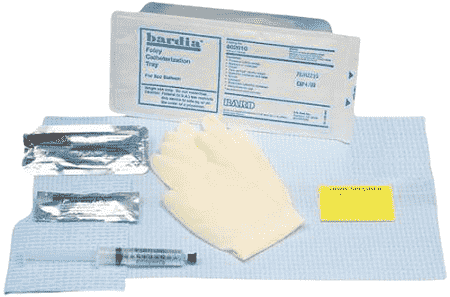
- Catheter insertion trays
- Securement devices
- Extension tubing
- Drainage bag holders
- Cleansing products
- Protective barriers and skin care products
The right accessories make catheterization more comfortable and help keep hygiene on track.
Benefits of Quality Home Catheter Supplies
Good supplies make a real difference.
Comfort is the most immediate one. Better catheter designs cut down on friction and irritation, so daily catheterization is less of an ordeal.
Hygiene and infection prevention come next. A clean catheterization routine is not optional. It is one of the main ways patients avoid complications in the first place.
Independence matters too. With the right supplies on hand, many people manage their own urinary care at home and still get through their normal day without much disruption.
And there is a quieter benefit: dependable supplies take some of the stress off, for patients and for the people caring for them.
Why Professional Guidance Matters
No single catheter works for every patient. Medical history, anatomy, lifestyle, and mobility all shape which products actually make sense for a given person.
Talk to a healthcare provider before choosing catheter supplies or changing a urinary care routine. A provider can recommend the right catheter type, size, and schedule based on what the patient actually needs, not a generic default.
Finding Home Catheter Supplies in Denver
Consistent urinary care depends on reliable access to supplies. A trusted local supplier makes that easier, and personalized support matters more than people expect until they need it.
Sky Medical Supplies serves Denver and the surrounding area with home medical supplies and urology supplies for home use, built around urinary care needs specifically. For catheters, drainage bags, or catheter accessories, working with a knowledgeable local supplier for catheter supplies in Denver cuts out a lot of the guesswork.
Conclusion
Managing urinary dysfunction takes medical guidance paired with the right home catheter supplies, day in and day out. Intermittent catheters, drainage bags, insertion trays, the smaller accessories, each one does its part for comfort, hygiene, and independence.
If you or someone you care for needs catheter supplies in Denver, a local home medical equipment provider with real experience in this space can make it much easier to get the right products and keep urinary care manageable at home.