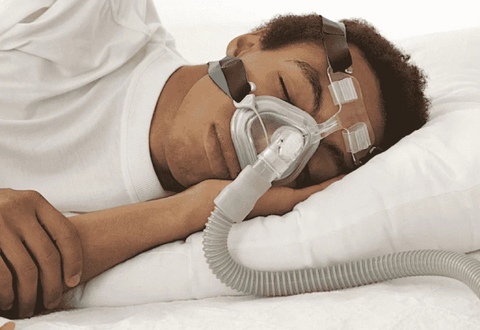
Starting CPAP therapy can feel uncomfortable at first. That’s normal.
But most issues people face—leaks, dryness, pressure discomfort—can be fixed with a few simple adjustments.
Continuous positive airway pressure (CPAP) therapy is one of the most effective ways to manage sleep apnea. When it works well, you sleep deeper, wake up refreshed, and reduce serious health risks.
The key is this: don’t give up too early. Most CPAP problems have clear solutions.
Below are the most common disruptions—and how to fix them quickly.
1. Your CPAP Mask Doesn’t Fit Properly
A poor mask fit is the number one reason people struggle with CPAP.
If your mask feels uncomfortable, leaks air, or leaves marks on your face, it’s likely not the right size or style for you.
Different masks work for different people:
- Full-face masks cover both the nose and mouth
- Nasal masks sit over the nose
- Nasal pillows rest just under the nostrils and feel lighter
If you move a lot during sleep, a more secure mask may help. If you feel restricted, a lighter option like nasal pillows might be better.
Small adjustment tip:
Loosen the upper straps slightly if you feel pressure on your nose bridge. Tight doesn’t always mean better.
If your current mask isn’t working, it’s worth trying a different type. The right fit can completely change your experience.
2. You’re Struggling to Get Used to the Mask
Wearing a CPAP mask can feel strange in the beginning. That’s expected.
Instead of forcing yourself to sleep with it right away, ease into it.
Start by wearing the mask during the day while doing something relaxing—like watching TV. Then try using it with the machine turned on for short periods.
Once it starts to feel normal, use it during naps, then overnight.
Consistency matters. Using CPAP occasionally makes it harder to adjust. Using it every time you sleep speeds up the process.
3. The Air Pressure Feels Too Strong
Some people feel like the air is too forceful, especially when trying to fall asleep.
Most CPAP machines have a ramp feature. This starts with lower pressure and gradually increases as you fall asleep.
If you’re still uncomfortable, talk to your provider about adjusting the settings or switching to a machine that adapts pressure automatically.
Many users find that once the pressure is properly set, breathing feels natural within a few nights.
4. Dry Nose or Stuffy Airway
Dryness is a common issue, especially in the first few weeks.
It usually happens because:
- Air is leaking from the mask
- The air lacks moisture
First, check your mask fit. Even small leaks can dry out your nose.
Then consider using a CPAP machine with a heated humidifier. Adjusting the humidity level can make a big difference.
A simple step like using saline spray before bed can also help reduce irritation.
5. Feeling Claustrophobic
If the mask makes you feel trapped or anxious, you’re not alone.
The best way to handle this is gradual exposure:
- Hold the mask up to your face without straps
- Then wear it loosely
- Then connect the hose and turn the machine on
Take it step by step.
Relaxation techniques can also help. Slow breathing or muscle relaxation before bed reduces anxiety and helps your body adjust.
If the feeling doesn’t improve, switching to a smaller mask style can make a big difference.
6. Air Leaks, Skin Irritation, or Pressure Marks
A leaking mask doesn’t just affect comfort—it also reduces how well your therapy works.
If air is blowing into your eyes or your skin feels irritated:
- Reposition the mask slightly
- Adjust the straps evenly (not too tight)
- Make sure the mask sits correctly on your nose
If you’re seeing red marks or soreness, don’t ignore it. That’s a sign your mask needs adjustment—or replacement.
In many cases, simply switching to a different cushion type or size solves the problem.
7. You’re Having Trouble Falling Asleep
This is often a combination of discomfort and routine.
Try this:
- Use your CPAP while relaxing before bed, not just when you’re trying to sleep
- Turn on the ramp feature so pressure builds gradually
- Keep your bedtime routine consistent
Avoid caffeine late in the day. Give yourself time to wind down.
A small habit change—like taking a warm shower before bed—can help your body relax and make it easier to fall asleep with the mask on.
Final Thoughts
CPAP therapy can feel challenging at first. But most problems are temporary—and fixable.
Sleep specialists often see the same pattern:
People who stick with CPAP and make small adjustments end up sleeping better than they have in years.
The most important step is making sure your equipment fits well and works for you.
If something feels off, don’t push through discomfort. Fix it.
Need Help Finding the Right CPAP Mask or Supplies?
Getting the right fit makes all the difference.
At Sky Medical Supplies, you can find a range of CPAP masks and supplies designed for comfort and reliability. Whether you need a better-fitting mask or want to explore different options, their team can help you choose what works best.
If you’re near Denver or traveling through the area, their location close to the airport makes access simple when you need it.