Managing diabetes requires daily attention. One of the most important tools for that is a blood glucometer, also known as a blood glucose monitor or blood sugar testing device.
Blood sugar levels can change due to stress, food, exercise, illness, or medication. Without regular monitoring, it becomes difficult to manage diabetes effectively. A reliable glucose meter helps you track fluctuations and make informed decisions about your health.
But not all glucometers are the same.
Let’s break down the available types and how to choose the right one for your needs.
Types of Blood Glucometers
1. Hospital (Professional) Glucometers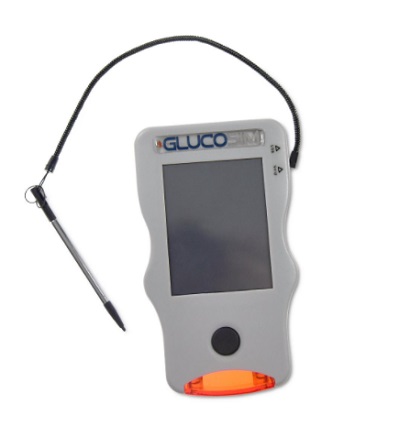
Hospital glucometers are designed for multi-patient use. You’ll typically find them in clinics, hospitals, and healthcare facilities.
Key features:
- Advanced data storage
- High accuracy standards
- Ability to track multiple patient records
- Often integrated with hospital systems
These devices follow strict hygiene and calibration standards. They are usually more expensive and may not be necessary for personal home use unless you manage multiple patients at home.
2. Standard (Home-Use) Blood Glucose Meters
This is the most common type of blood glucose monitor used at home.
How it works:
- You prick your finger using a lancet.
- A drop of blood is placed on a test strip.
- The meter reads the glucose level within seconds.
Benefits:
- Affordable
- Easy to use
- Portable
- Widely available
These meters provide fast results and are ideal for daily monitoring. However, accuracy depends on proper use, clean hands, and correct strip handling.
3. Continuous Glucose Monitors (CGMs)
A Continuous Glucose Monitor (CGM) tracks glucose levels throughout the day and night.
How it works:
- A small sensor is inserted under the skin (usually on the abdomen or arm).
- It measures glucose in the interstitial fluid, not directly in blood.
- The sensor sends readings to a receiver or smartphone every few minutes.
Benefits:
- Real-time glucose tracking
- Trend analysis
- Alerts for high or low blood sugar
- Reduces frequent finger pricks
CGMs are especially helpful for:
- People with Type 1 diabetes
- Long-term Type 2 diabetes
- Patients with frequent hypoglycemia
However, sensors need replacement every 7–14 days depending on the model, and they can be more expensive.
4. Non-Invasive Glucometers
Non-invasive blood glucose monitors aim to measure glucose levels without finger pricking.
Some use technologies like:
- Light-based sensors
- Radiofrequency
- Skin surface detection
However, most non-invasive devices are still under development or may not be as accurate as traditional finger-stick or CGM devices. Accuracy and regulatory approval vary significantly.
Always check if the device is FDA-approved or medically certified before purchasing.
Comparison of Glucometer Types
| Type | Best For | Pros | Cons |
|---|---|---|---|
| Standard Home Meter | Daily home testing | Affordable, simple | Requires finger pricks |
| Hospital Meter | Clinical use | High accuracy, multi-patient | Expensive |
| CGM | Intensive monitoring | Continuous data, alerts | Higher cost |
| Non-Invasive | Needle-free preference | No finger pricks | Accuracy concerns |
How to Choose the Right Blood Glucometer
Choosing the right device depends on your lifestyle, budget, and medical needs.
Here are the key factors to consider:
1. Accuracy
Accuracy is critical. A device should meet recognized medical standards. Do not assume that a higher price means better accuracy.
Check:
- Clinical validation
- User reviews
- Regulatory approval
2. Ease of Use
Look for:
- Large display
- Easy-to-insert test strips
- Simple interface
- Quick results (5–10 seconds)
If you are elderly or have vision problems, choose a meter with:
- Backlit screen
- Large numbers
- Audio features (if available)
3. Cost (Not Just the Device)
Many people forget this part.
The real ongoing cost is:
- Test strips
- Lancets
- CGM sensors (if applicable)
Before buying, compare the price of test strips, since you will need them regularly.
4. Pain Level
Standard meters require finger pricking, but:
- Modern lancets are less painful
- Adjustable depth settings help reduce discomfort
CGMs reduce frequent finger pricks, though sensor insertion may cause mild discomfort initially.
5. Data Storage and Connectivity
Some modern glucose monitors offer:
- Bluetooth connection
- Smartphone apps
- Data sharing with doctors
- Trend reports
If you regularly consult your doctor, this feature can be very useful.
6. Testing Speed
Most standard glucometers provide results within 5–10 seconds. Faster results can be helpful for busy individuals.
7. Maintenance and Calibration
Some meters require manual calibration. Others are factory-calibrated. Choose one that fits your comfort level with maintenance.
Practical Buying Advice
Before purchasing:
- Ask your doctor which type suits your diabetes condition.
- Check insurance coverage for CGMs or test strips.
- Compare long-term supply costs.
- Read verified customer reviews.
- Avoid unknown brands with no certification.
Do not choose based only on appearance or price. Reliability matters more.
Final Takeaway
A blood glucometer is more than just a device. It is a daily companion in managing diabetes.
If you need simple daily monitoring, a standard home blood glucose meter is usually sufficient.
If you need deeper insights and real-time alerts, a continuous glucose monitor (CGM) may be a better option.
Always prioritize:
- Accuracy
- Ease of use
- Long-term cost
- Medical approval
The right choice depends on your personal health needs. When used correctly, a good blood sugar monitor can help you stay in control and prevent complications in the long run.