Caring for an aging parent, recovering loved one, or someone with limited mobility at home can feel overwhelming. Comfort matters, but so does safety. One of the most important decisions is choosing the right hospital bed mattress for home.
A standard mattress may not provide enough support for someone spending long hours in bed. The wrong mattress can lead to discomfort, poor sleep, pressure buildup, and difficulty changing positions. A hospital bed mattress is designed to provide better support, improve comfort, and help make daily care easier.
The best option depends on the person’s mobility, medical needs, comfort level, and how much time they spend in bed. Understanding the different mattress types can make the decision much easier.
Types of Hospital Bed Mattresses for Home Use
Different mattresses are designed for different needs. Some focus on comfort, while others help reduce pressure or improve support for long-term bed users.
Foam Mattress
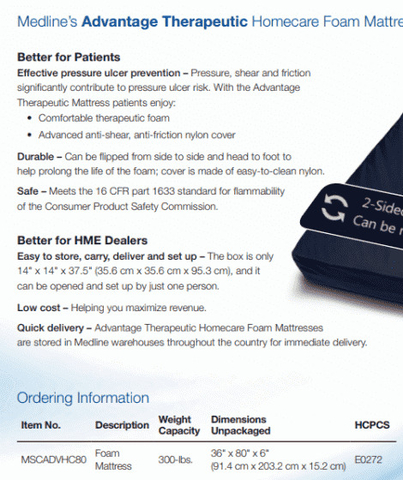
A foam mattress is one of the most common choices for home care. It is comfortable, supportive, and often works well for people who need moderate assistance or spend part of the day in bed.
The foam adjusts to the body’s shape, helping reduce pressure around areas like the hips, shoulders, and lower back. Many models also include multiple foam layers to improve comfort and pressure distribution.
For seniors or recovering patients who want a balance of comfort and support, a foam hospital mattress is often a practical starting point.
This option may work best for someone who:
- Needs extra comfort while recovering at home
- Spends several hours in bed daily
- Does not have serious pressure sore concerns
Innerspring Mattress
An innerspring mattress offers firmer support and a more traditional mattress feel. It uses internal coils to help distribute weight more evenly.
This type of mattress may be helpful for larger individuals or those who prefer a firmer sleeping surface. It can also work well for someone who only uses a hospital bed part of the day rather than remaining in bed full time.
While durable, innerspring mattresses usually provide less pressure relief than foam or air options.
Alternating Pressure Mattress
For individuals who stay in bed for long periods or have limited mobility, an alternating pressure mattress can provide additional support.
This type of mattress uses air chambers that gently change pressure points throughout the body. The shifting airflow helps reduce prolonged pressure on sensitive areas.
A pressure relief mattress may be especially helpful for:
- Individuals with limited mobility
- Patients spending most of the day in bed
- People at higher risk of pressure sores
Because these mattresses continuously adjust pressure, they are commonly chosen for long-term home care situations.
Air Mattress
An air mattress for a hospital bed uses airflow technology to help improve comfort and pressure management. Some models include adjustable firmness settings, allowing caregivers to customize comfort based on changing needs.
Air mattresses can also help reduce moisture buildup and improve airflow around the skin, which may help keep users more comfortable during extended bed rest.
Since these systems rely on powered pumps, it is important to choose a dependable model. Some mattresses include backup air systems to maintain support during temporary power interruptions.
What to Consider Before Buying a Hospital Bed Mattress for Home
With several options available, choosing the right mattress can feel confusing. Focusing on a few important factors can help narrow the decision.
Patient Comfort and Support
Comfort should always come first. A mattress that is too soft may not provide enough support, while one that is too firm can create pressure points and discomfort.
The best mattress should help keep the body aligned while supporting natural curves. For someone recovering from surgery or spending long hours in bed, proper support can make daily rest much more comfortable.
Time Spent in Bed
Think about how long the person will use the bed each day.
Someone who only uses a hospital bed occasionally may do well with a foam or innerspring mattress. But if the person spends more than 12 hours in bed daily, a pressure-relief or air mattress may provide better comfort and support.
Mattress Size and Weight Capacity
Most standard hospital beds are around 80 inches long, but some options are wider or designed for higher weight capacities.
Choosing the right size matters. A mattress should allow the user to rest comfortably and reposition without feeling restricted. Larger users may benefit from bariatric mattress options with added support.
Ease of Cleaning
Home caregivers already have enough responsibilities. Choosing a mattress that is easy to clean can make daily care simpler.
A waterproof or stain-resistant cover can be especially helpful for long-term care or incontinence concerns. Keeping the mattress clean helps maintain comfort and hygiene over time.
Age and Mobility Needs
Older adults often experience pain, stiffness, or trouble sleeping. Choosing a mattress that improves comfort can support better rest and easier repositioning.
Mobility also matters. Someone who can reposition independently may have different needs than a person who stays in one position for long periods.
Common Mistakes to Avoid When Choosing a Home Hospital Mattress
Many families rush the decision and end up with a mattress that does not fully meet their needs.
One common mistake is choosing based on firmness alone. A mattress labeled “firm” may feel too hard for one person and too soft for another.
Another mistake is assuming any mattress will work with a hospital bed frame. Always check sizing and compatibility before purchasing.
It is also important to think long term. A mattress that works during early recovery may not provide enough support if care needs change over time.
When in doubt, speaking with a healthcare provider can help you choose the right level of support for your situation.
Final Thoughts
The best hospital bed mattress for home care depends on the person using it. Some people need simple comfort during recovery, while others need pressure relief and long-term support.
Foam mattresses work well for many home care situations, while air and alternating pressure mattresses can offer added comfort for people with limited mobility or extended bed rest.
Choosing the right mattress can improve sleep, support recovery, and make caregiving easier for everyone involved. If you are unsure which option is right, speaking with a trusted provider of home medical equipment can help you find a mattress that fits both care needs and comfort goals.