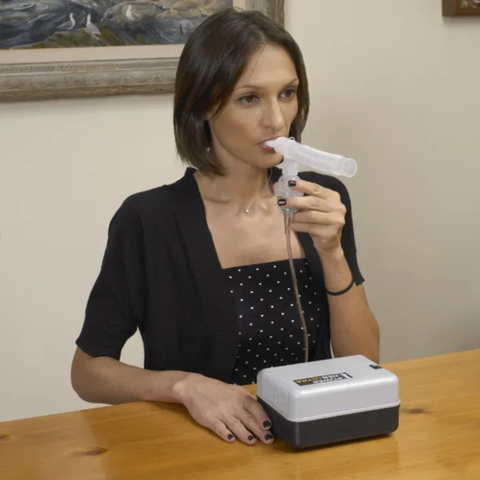
A Nebulizer is an important medical device for people with asthma, COPD, allergies, and other breathing conditions. They help deliver medicine deep into the lungs—quickly and effectively. But many people don’t realize that nebulizers must be cleaned and disinfected regularly. Without good care, the device can grow bacteria, mold, and other germs that may cause infections or worsen breathing problems.
This guide explains how to clean and disinfect a home nebulizer the right way, why it matters, and how to keep your device working safely for years.
Why Maintenance Matters
A nebulizer comes into direct contact with your lungs. When it isn’t cleaned properly, germs can grow inside the tubing, mouthpiece, and medicine cup. This can lead to:
- Coughing or wheezing after treatments
- Respiratory infections
- Inflammation and irritation
- Reduced effectiveness of your medication
Regular cleaning protects your health and ensures you get the full benefit of each breathing treatment.
What Parts Need Cleaning?
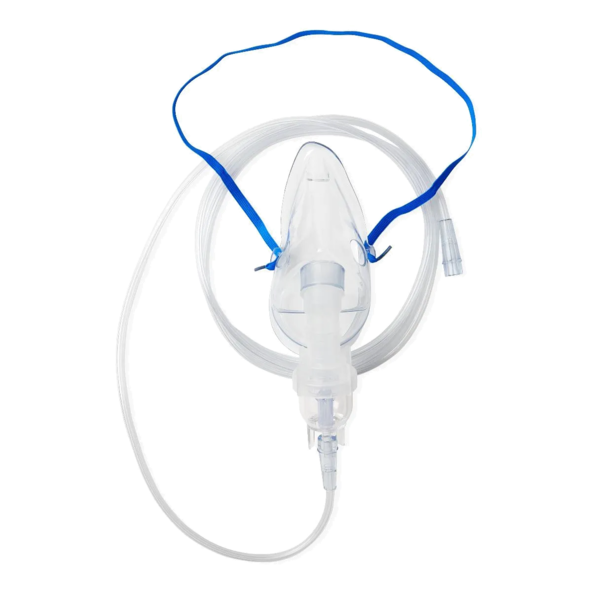
Depending on the model, most nebulizers include:
- Compressor unit (the machine that pushes out air)
- Tubing
- Medication cup
- Mouthpiece or mask
- Filters
Important:
The compressor should never be placed in water. But the other parts—especially the cup and mouthpiece—must be washed after every use.
Daily Cleaning: After Every Use
Follow these steps to clean your nebulizer safely:
1. Wash Your Hands
Always start with clean hands to avoid bringing germs onto the device.
2. Disassemble the Nebulizer
Remove the mask or mouthpiece, medication cup, and tubing.
3. Rinse Parts With Warm Water
Rinse the mouthpiece/mask and medication cup under warm running water.
4. Wash With Mild Soap
Use a small amount of mild dish soap and warm water. Avoid strong detergents.
5. Shake Off Extra Water
Place the clean parts on a clean towel to air dry.
Don’t use heat or a hair dryer—heat can damage the plastic.
Disinfecting: 1–2 Times Per Week
Cleaning removes residue.
Disinfection removes germs.
You should disinfect your nebulizer at least once or twice a week, or more often if you are sick.
Here are safe disinfection methods:
Option 1: Vinegar Solution
- Mix 1 part white vinegar with 3 parts water
- Soak parts for 20–30 minutes
- Rinse well with sterile or distilled water
- Let air dry
Option 2: Commercial Medical Disinfectant
Some stores (including small medical supply shops like ours) carry ready-to-use disinfectants designed for respiratory equipment. These are quicker and more effective than home mixtures.
Option 3: Boiling Water
Only if your nebulizer manual says this is safe.
- Boil water
- Place parts (except tubing) in for 5 minutes
- Remove and air dry on a clean towel
Never boil the tubing or the compressor.
Compressor Maintenance
The compressor doesn’t need water, but it does need care:
Keep It Clean
Wipe the outside with a damp cloth once a week.
Check the Air Filter
Most nebulizers have a small filter that needs replacement every 3–6 months.
A dirty filter reduces airflow and makes treatments less effective.
Store in a Clean, Dry Place
Dust and humidity can damage the machine.
Tubing Care
Nebulizer tubing should not be washed or disinfected because moisture easily gets trapped inside.
Instead:
- Replace tubing every 1–3 months, or sooner if it looks cloudy or wet inside.
- If you see droplets that will not dry, replace it immediately.
Signs Your Nebulizer Needs Replacement
Replace your nebulizer parts if you notice:
- Cracks in the medication cup
- A loose or damaged mouthpiece/mask
- Weak airflow from the compressor
- Tubing discoloration
- Strange smells
Most people need new nebulizer parts every 6–12 months.
Tips for Reducing Infections
Keeping your nebulizer clean is only one part of staying healthy. Here are extra steps:
- Use distilled or sterile water if you need to rinse parts after disinfection.
- Always store your equipment in a clean, dry area.
- Never share nebulizer parts with anyone else.
- Replace filters and tubing on schedule.
- Wash hands before every treatment.
These simple steps greatly reduce your risk of respiratory infections.
A Clean Nebulizer Is a Safe Nebulizer
Proper nebulizer maintenance keeps your treatments effective and protects your lungs. With regular cleaning, weekly disinfection, and timely replacement of parts, you can breathe easier at home.
If you need replacement nebulizer kits, filters, disinfectants, or new machines, your local medical supply store (like ours!) is always ready to help you choose safe, reliable equipment.